Why Turquoise Lakes Look So Unreal (And Where to Find the Best Ones)
You know that moment when you first see a turquoise lake? Your brain does this weird thing where it can't quite believe what you're looking at. The color is so vivid, so impossibly blue-green, that it looks like someone cranked up the saturation slider to 11 in Photoshop.
I've been chasing these lakes for years with my camera, and trust me – they never get old. From the famous spots like Lake Louise to hidden gems tucked away in mountain valleys, there's something magical about these waters that hooks you from the first glance.
But here's what's really cool: there's actual science behind why they look so incredible.

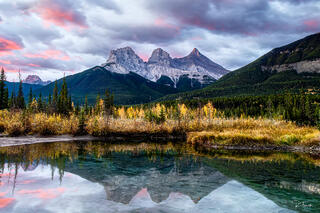
Peyto Lake, nestled in the heart of the Canadian Rockies within Banff National Park, Alberta, is renowned for its mesmerizing turquoise waters and stunning panoramic views. Fed by glacial meltwater, the lake's distinctive color comes from rock flour suspended in the water, creating a vivid hue that contrasts against the surrounding mountains and forests.
Fine Art Limited Edition of 100
The Real Reason These Lakes Are So Blue
It's All About Rock Dust (Seriously)
So here's the thing – those stunning colors come from something called rock flour. Sounds boring, right? But it's actually pretty amazing.
Picture a massive glacier slowly grinding its way down a mountain. As it moves, it's basically acting like the world's biggest, slowest blender, pulverizing rocks into particles so fine they're almost like powder. This glacial "flour" gets washed into lakes by meltwater streams, where it just hangs out, suspended in the water.
Want to dive deeper into how glaciers work their magic? Check out this glacial processes guide from the National Park Service.
The Light Show
Here's where it gets really interesting. When sunlight hits all those tiny particles floating in the water, something called Rayleigh scattering happens – the same thing that makes the sky blue. Short wavelengths (think blues and greens) bounce around way more than longer ones (reds and yellows).
The result? That otherworldly turquoise color that changes throughout the day depending on the sun angle and how much rock flour is in the water. Some mornings it's pale mint green, by afternoon it's deep turquoise, and if you're lucky enough to catch it during golden hour... well, you'll understand why people become obsessed with these places.
NASA has a great explanation of how light scattering works if you want to geek out on the physics.
Why We Can't Stop Staring
There's something about turquoise lakes that just hits different. Maybe it's because the color looks so unnatural that our brains can't help but pay attention. Or maybe it's deeper than that.
It's Probably Hardwired Into Us
Turns out, humans are pretty much programmed to love water. Makes sense – our ancestors needed to find clean water to survive. Biologist E.O. Wilson wrote extensively about this "biophilia" – our innate connection to nature.
The Color Psychology Thing
Blue-green colors are basically nature's chill pill. They're associated with calm, healing, and balance. There's actual research on color psychology showing these hues can lower stress hormones. So when you're standing at the edge of a turquoise lake feeling super zen, there's science backing up that feeling.
Plus, let's be honest – the contrast is just stunning. Bright turquoise water against dark pine forests, gray cliffs, and snow-capped peaks? It's like nature's showing off.

Jasper National Park in Alberta, Canada, is home to iconic natural wonders that showcase this breathtaking beauty of fall. The Hall of the Gods, a series of towering limestone cliffs, provides a dramatic backdrop for the golden foliage, creating a scene reminiscent of ancient myths and legends.
Fine Art Limited Edition of 100
The Greatest Hits: Lakes You Need to See
Canadian Rockies (The Holy Trinity)
Moraine Lake This one's probably been your phone wallpaper at some point. The Valley of the Ten Peaks backdrop is absolutely iconic. Best time to visit is July through September when the access road is actually open. Pro tip: get there early for those glass-like morning reflections.
Parks Canada has all the details about visiting.
Lake Louise The OG famous turquoise lake. You can actually get here year-round, which is nice, though summer is when the color really pops. The Fairmont Chateau sitting right on the shore makes it feel like a fairy tale. Rent a canoe if you can – being on the water is a whole different experience.
Check out Parks Canada's Lake Louise page for current conditions.
Peyto Lake This one looks like a wolf's head from above (if you squint a bit). The viewpoint at Bow Summit is easily accessible, and the color here is often the most intense turquoise you'll see. Bring a polarizing filter if you're shooting photos – it'll make the color pop even more.
Beyond Canada
Lake Tekapo, New Zealand If you visit between November and December, you'll hit the lupine bloom – purple flowers everywhere with that turquoise water. Plus, it's part of a Dark Sky Reserve, so the stargazing is incredible. The little Church of the Good Shepherd on the shore is one of the most photographed buildings in the world.
Lake Tekapo's tourism site has tons of planning info.
Lago di Sorapis, Italy This one's a bit of a hike – about 3 hours round trip – but so worth it. The contrast between the turquoise water and those pale Dolomite peaks is unreal. Just make sure you go between June and September when the trail's actually accessible.
The Dolomites UNESCO site has trail information.
Crater Lake, Oregon Technically not glacial (it's in a volcanic crater), but that deep blue is absolutely stunning. At nearly 2,000 feet deep, it's one of the deepest lakes in the world. The Rim Drive gives you different perspectives all around the lake.
National Park Service has everything you need to plan a visit.
Getting the Shot: Photography Tips That Actually Work
Gear That Makes a Difference
- Polarizing filter: This isn't optional. It cuts glare and makes the colors way more saturated.
- Graduated ND filter: Helps balance that bright sky with the darker foreground.
Timing Is Everything
Golden hour is magical, but don't sleep on midday shooting. That high sun can make the turquoise color really pop. Overcast days can work too – the colors stay vibrant without harsh shadows.
The Bottom Line
These turquoise lakes are having a moment right now, and honestly, they deserve it. The combination of geological processes, physics, and pure natural beauty creates something that's genuinely special. Whether you're planning your first visit or you're already addicted to lake-chasing like me, there's always another incredible view waiting around the next bend.
Just remember – the best camera is the one you have with you, but the best experience is the one where you actually put the camera down sometimes and just soak it in. These places have a way of putting things in perspective that no Instagram post can capture.
Trust me, once you've stood at the edge of a turquoise lake with the morning mist rising off the water and mountains reflected in that impossibly blue surface, you'll understand why people plan entire trips around finding these hidden gems.