Top Questions About the Canadian Rockies
How do you choose what to photograph?
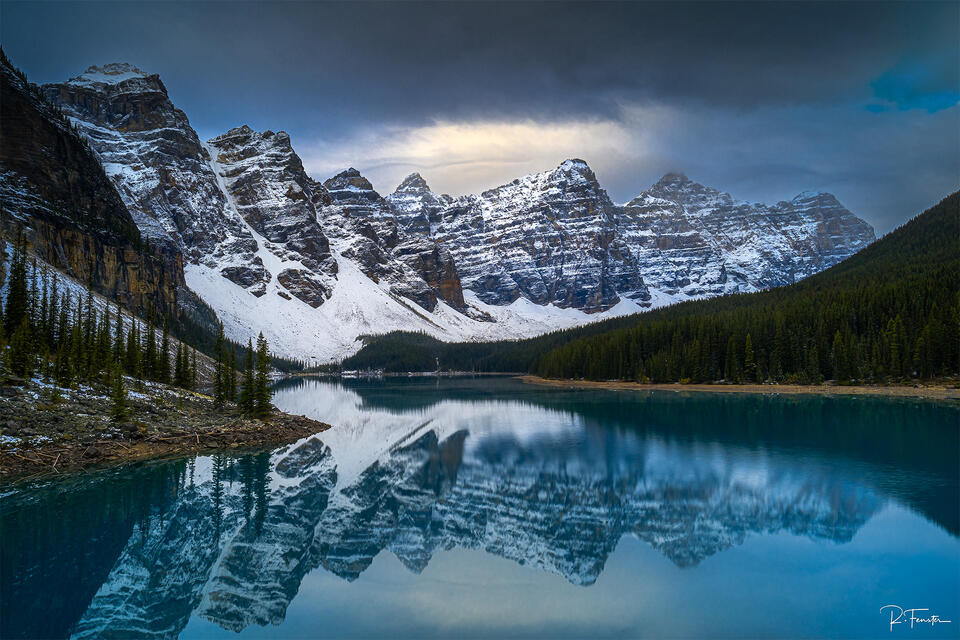
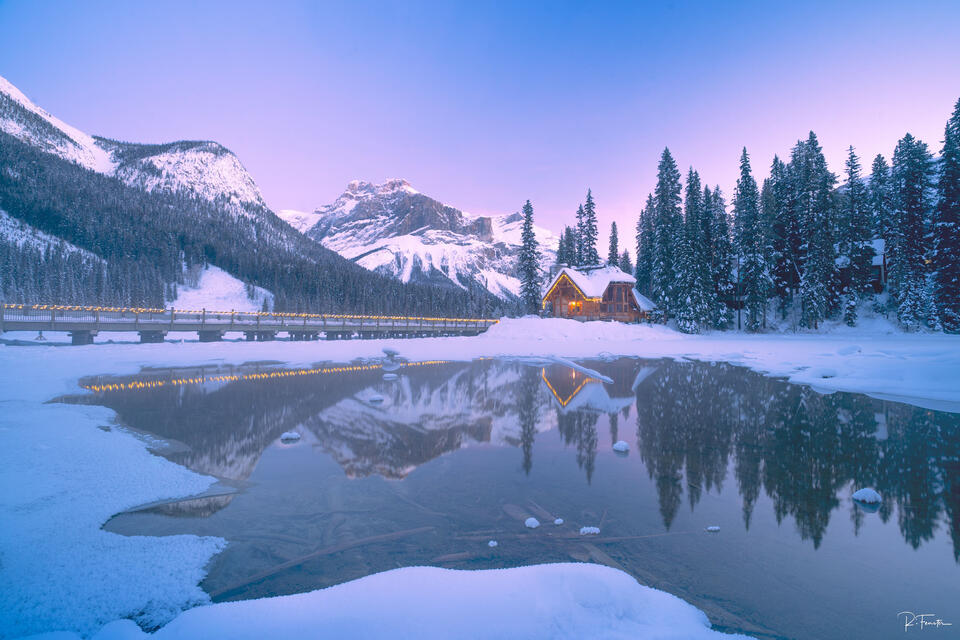
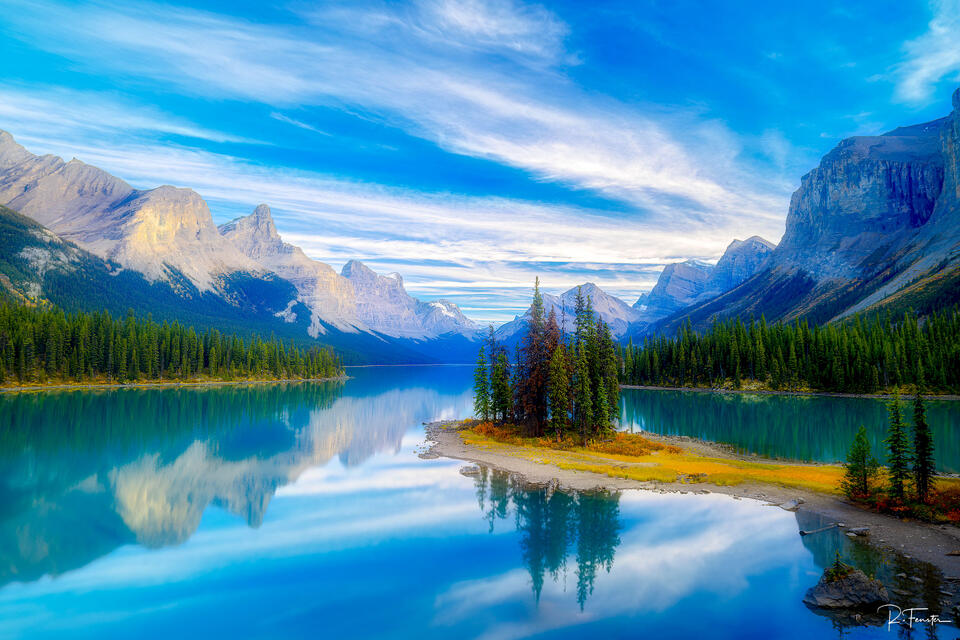
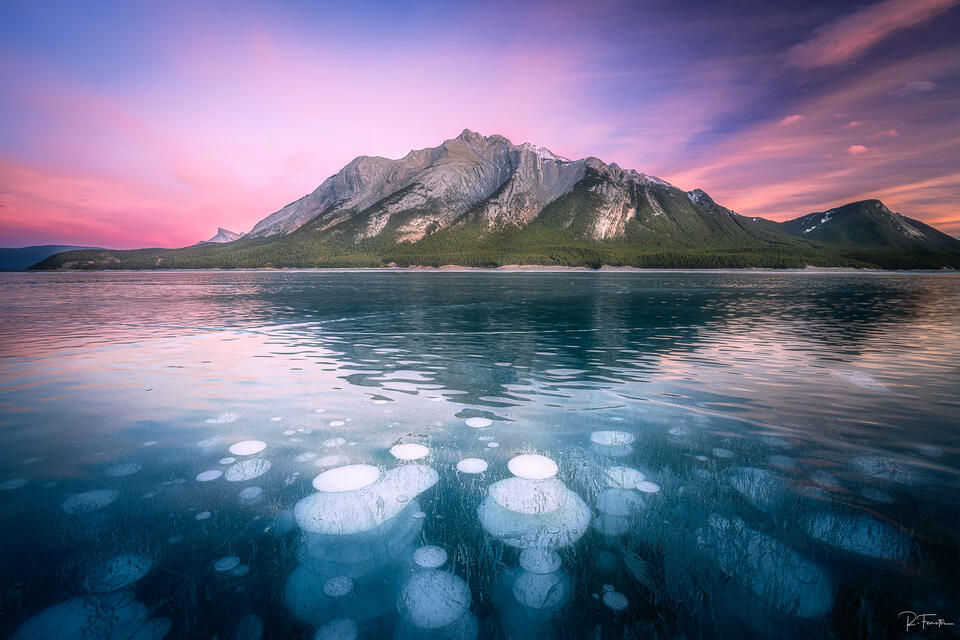
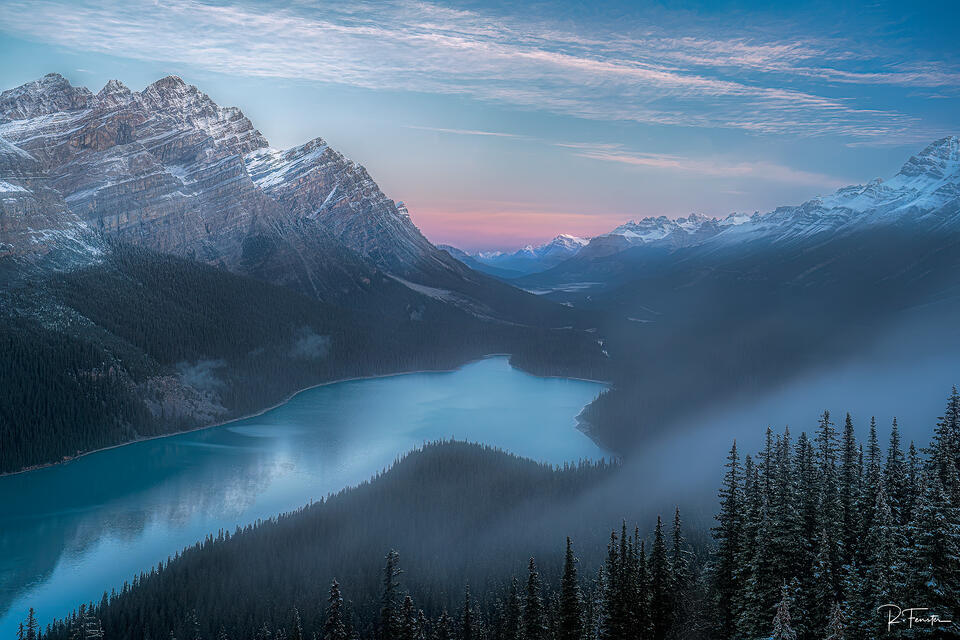
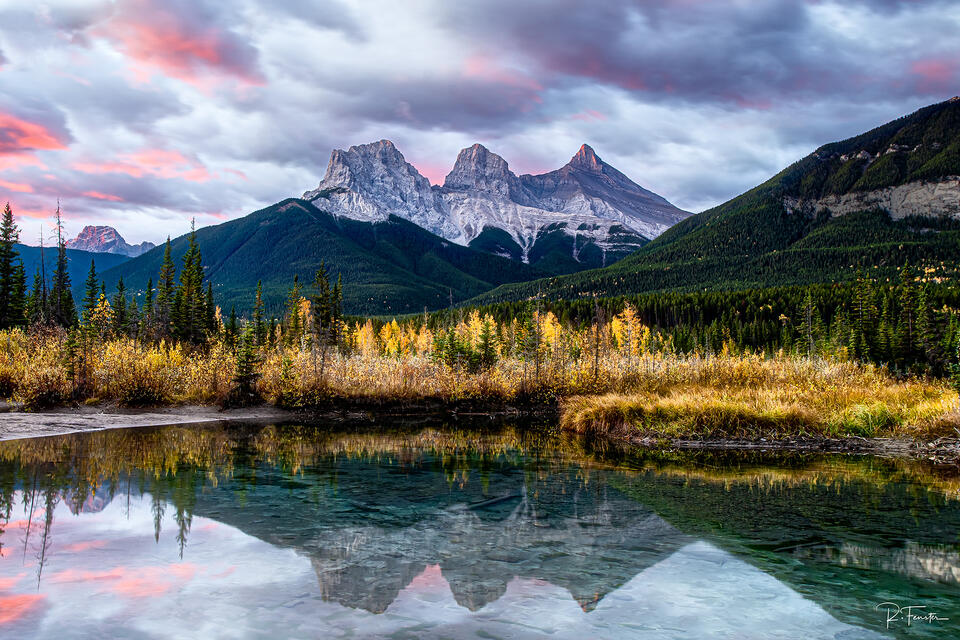
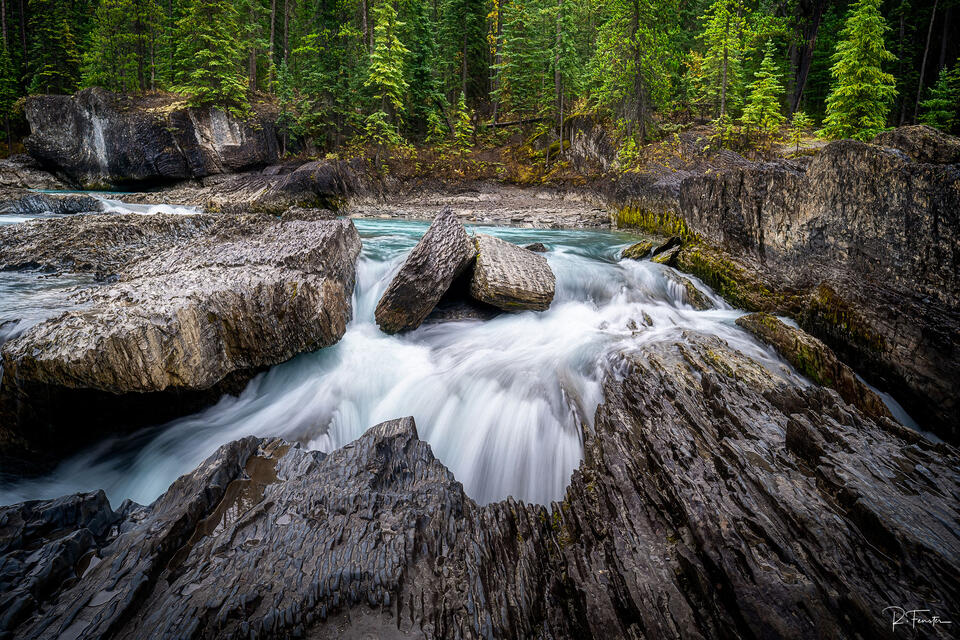
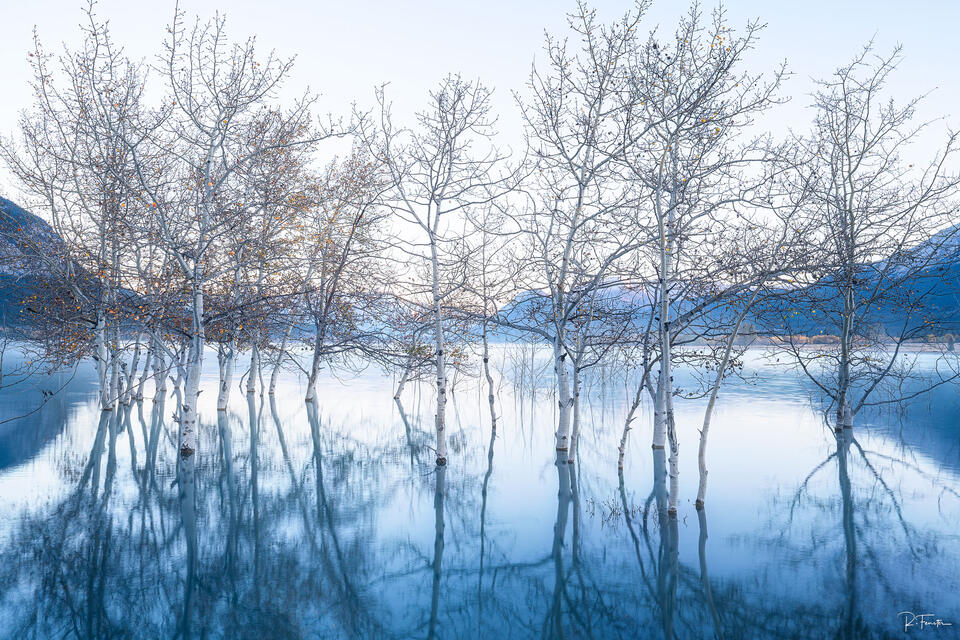
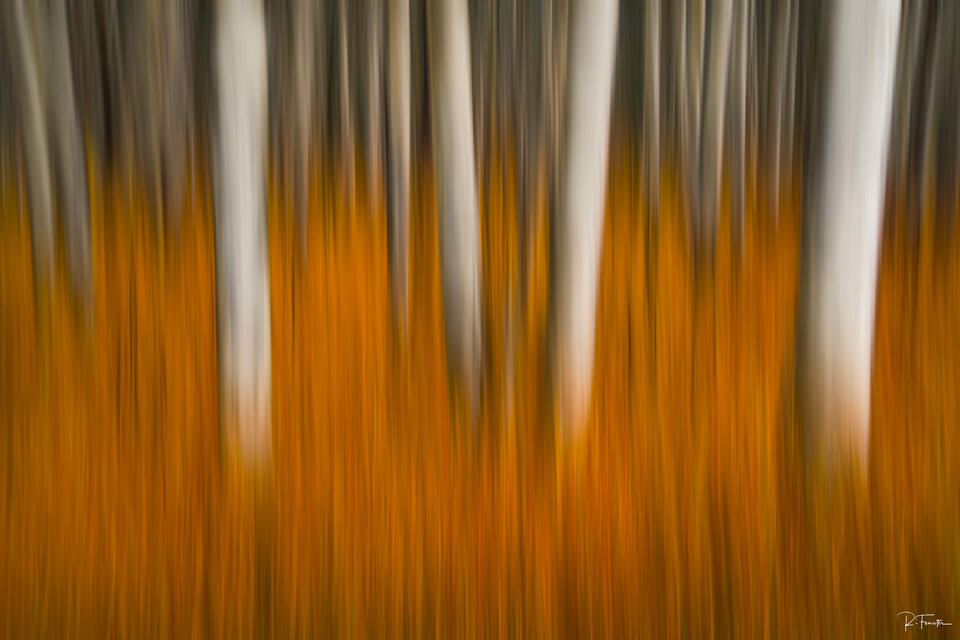
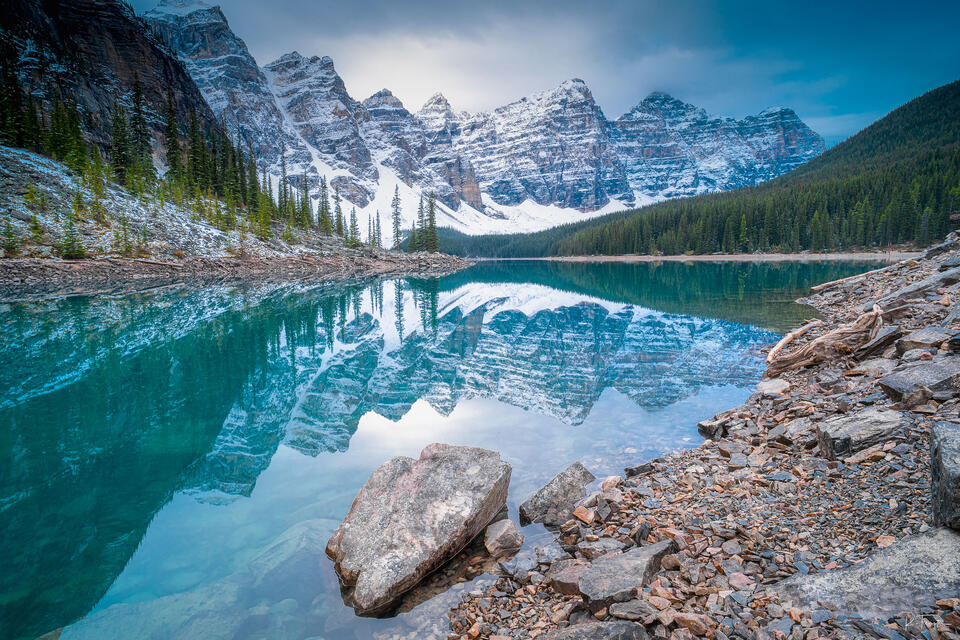
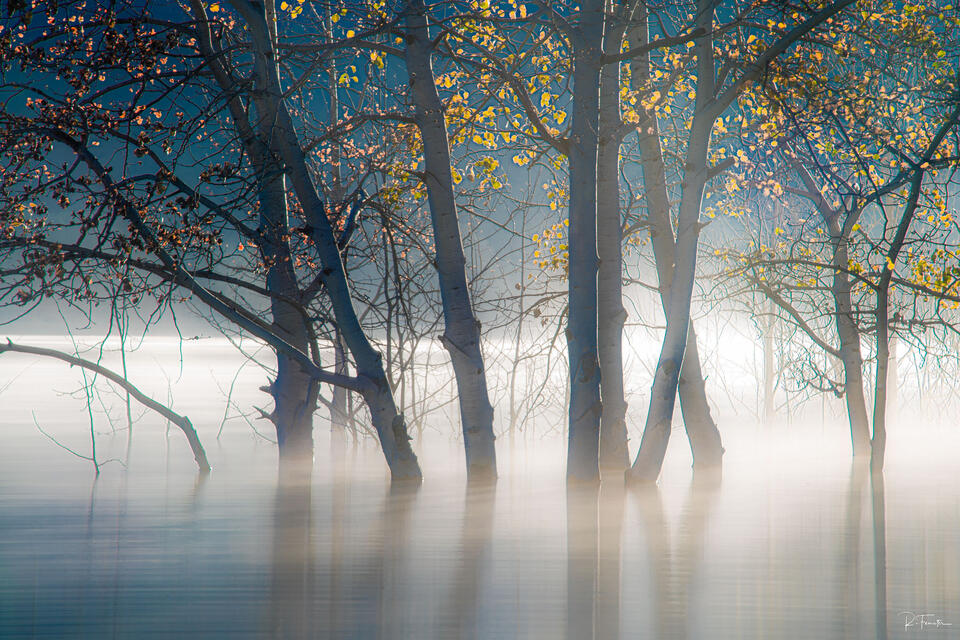
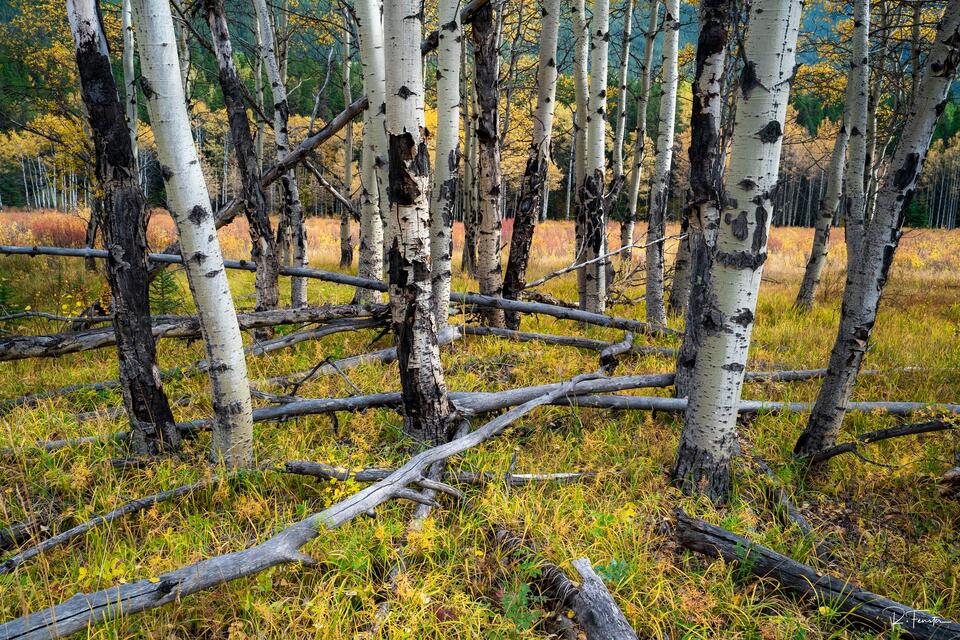
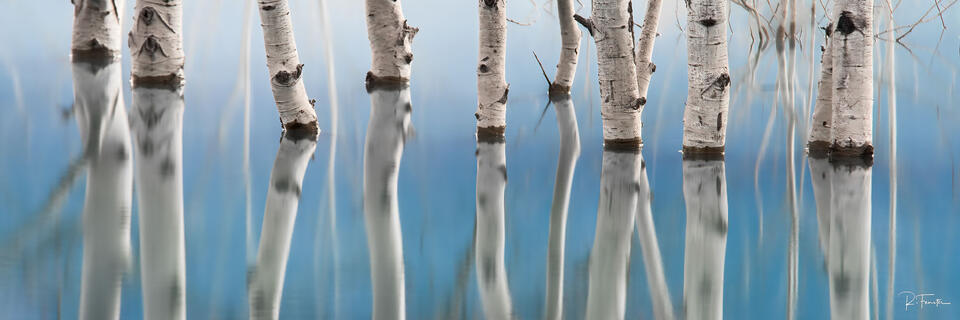
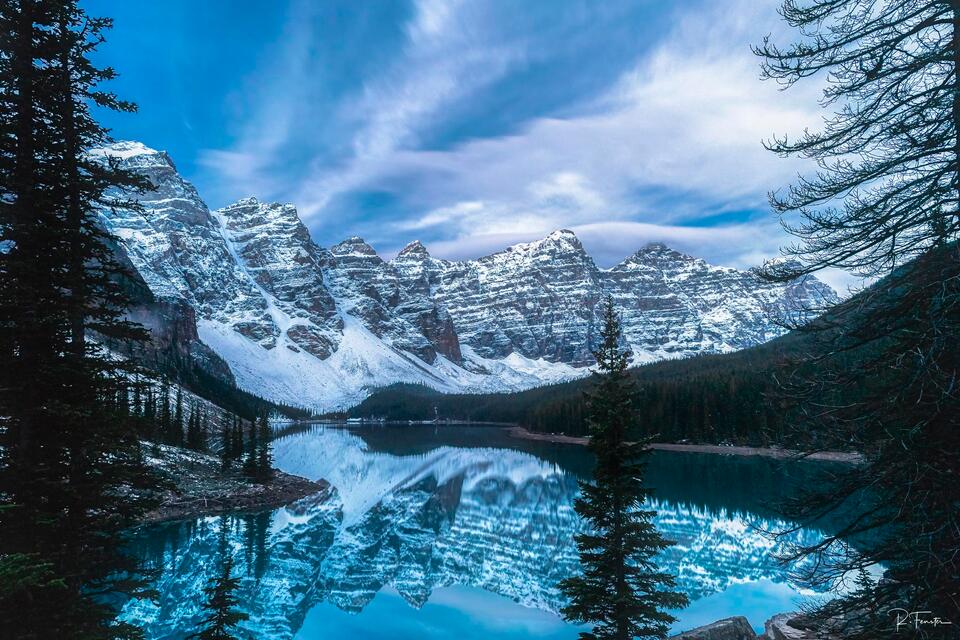
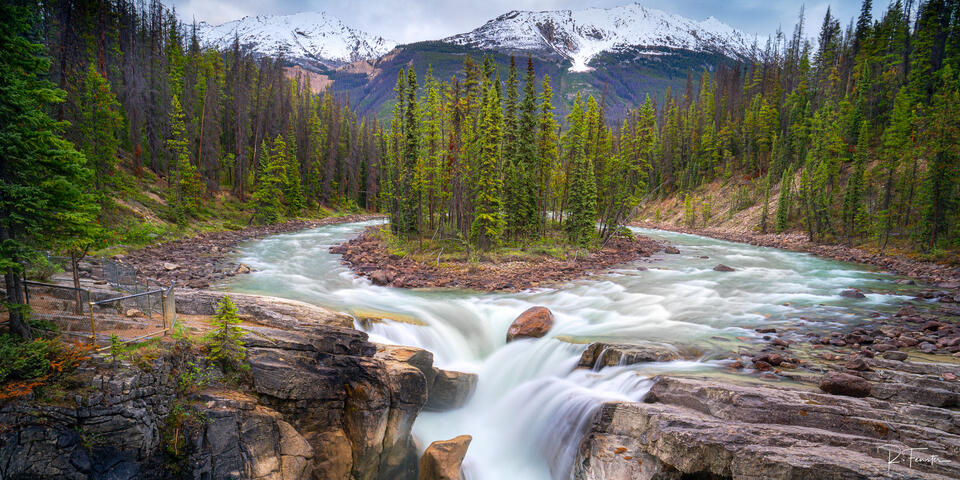
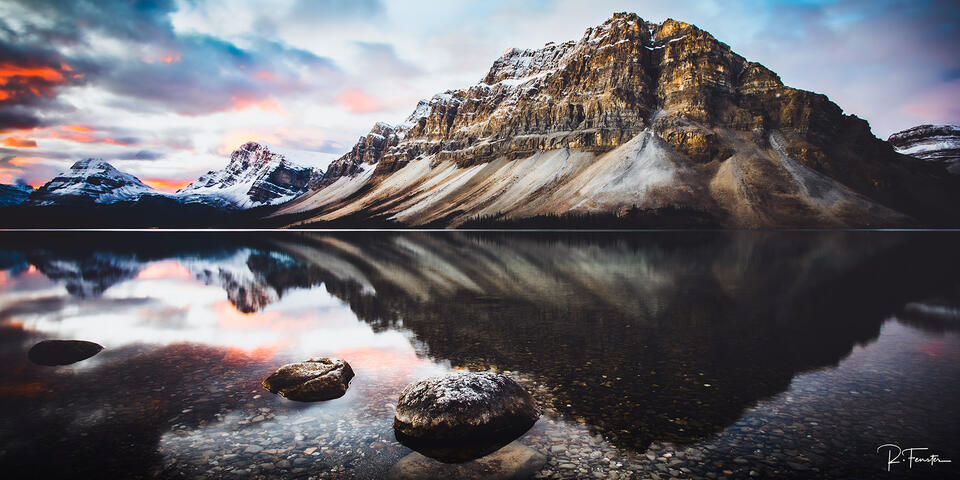
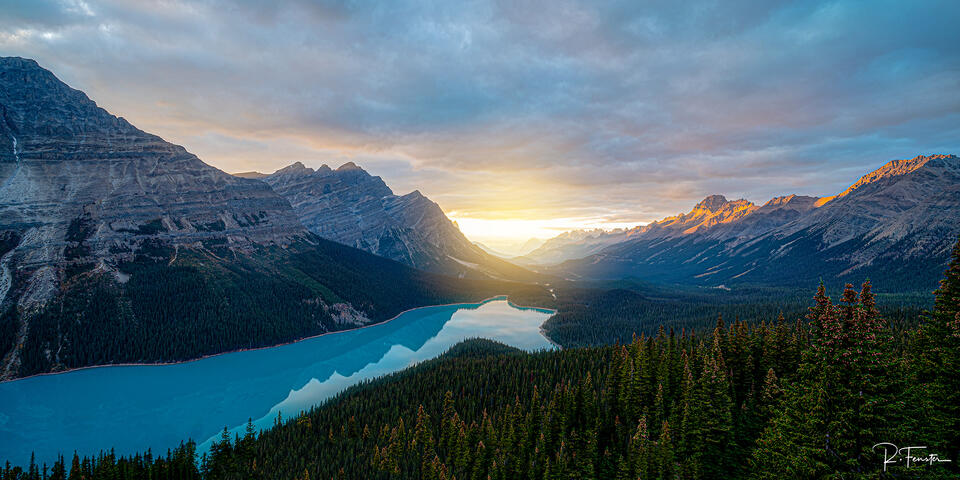
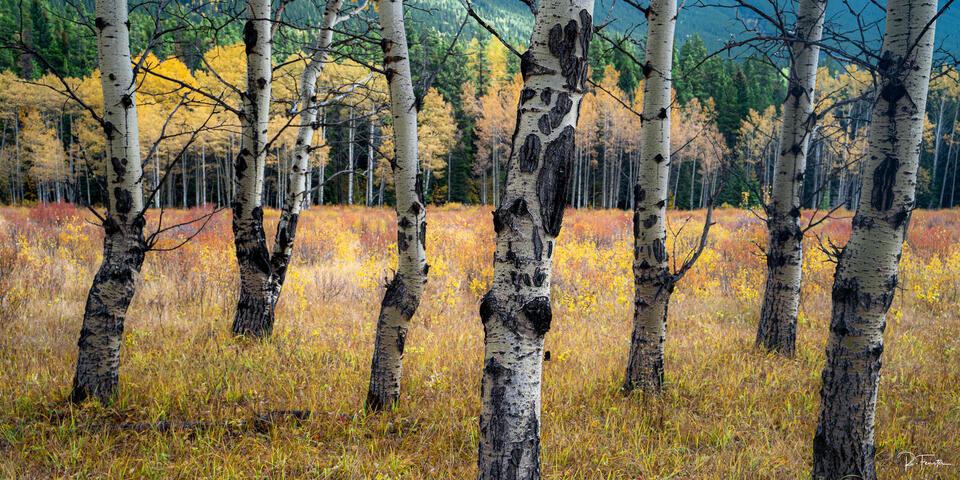
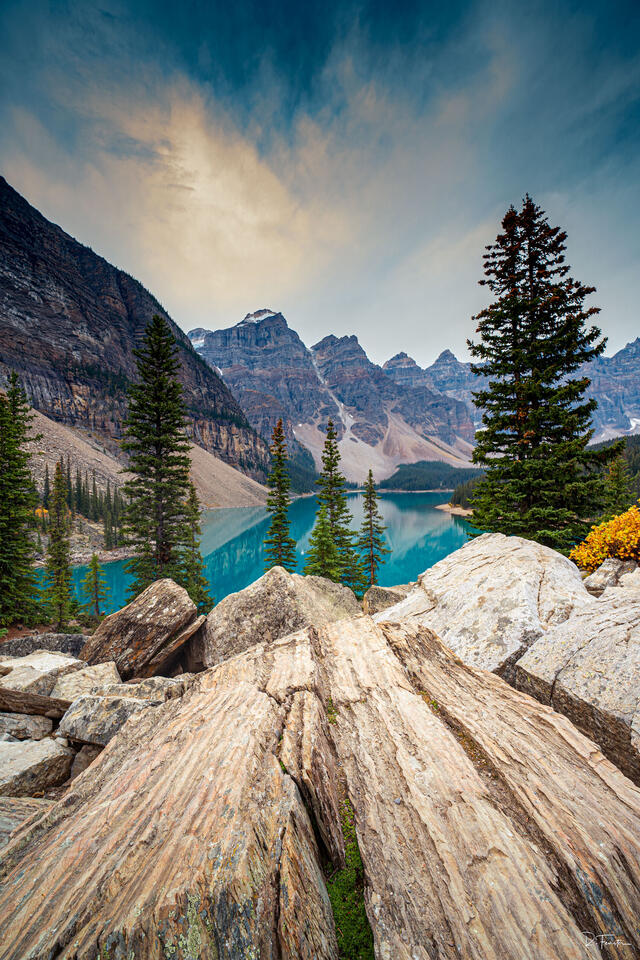
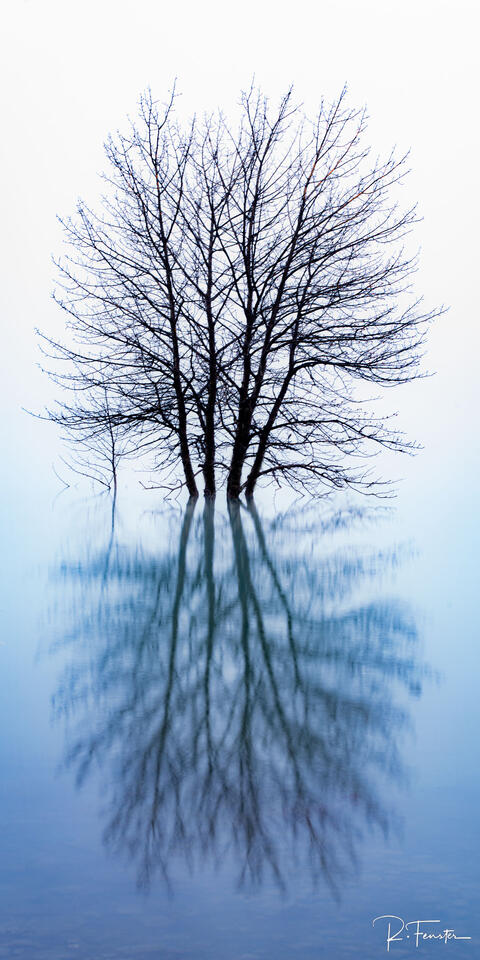
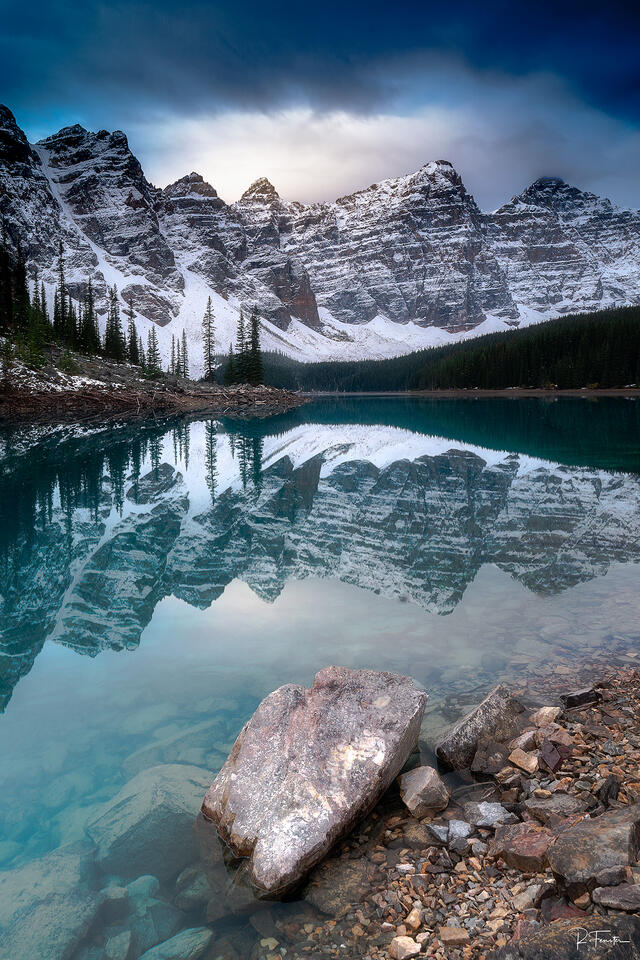
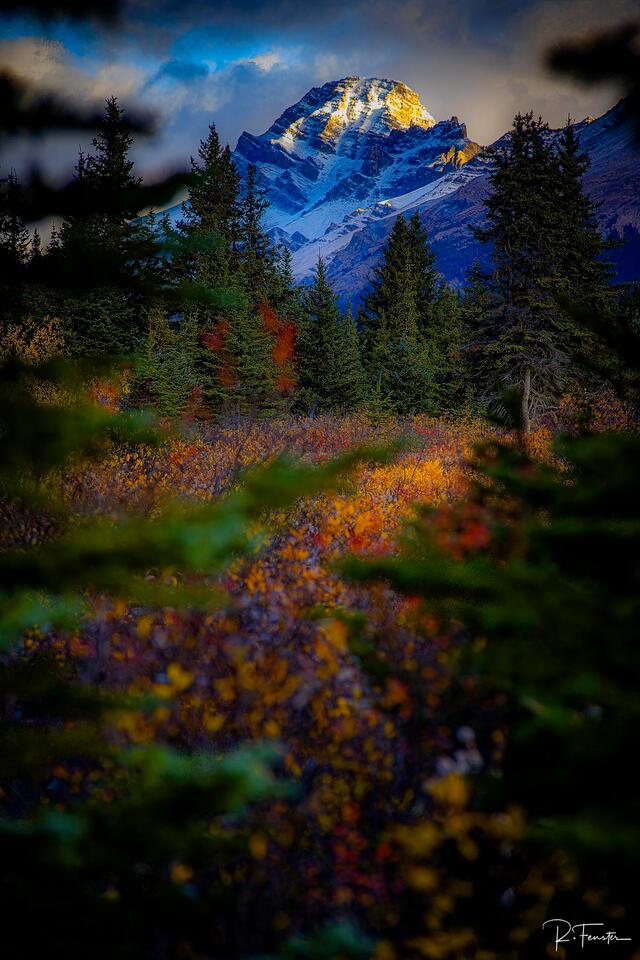
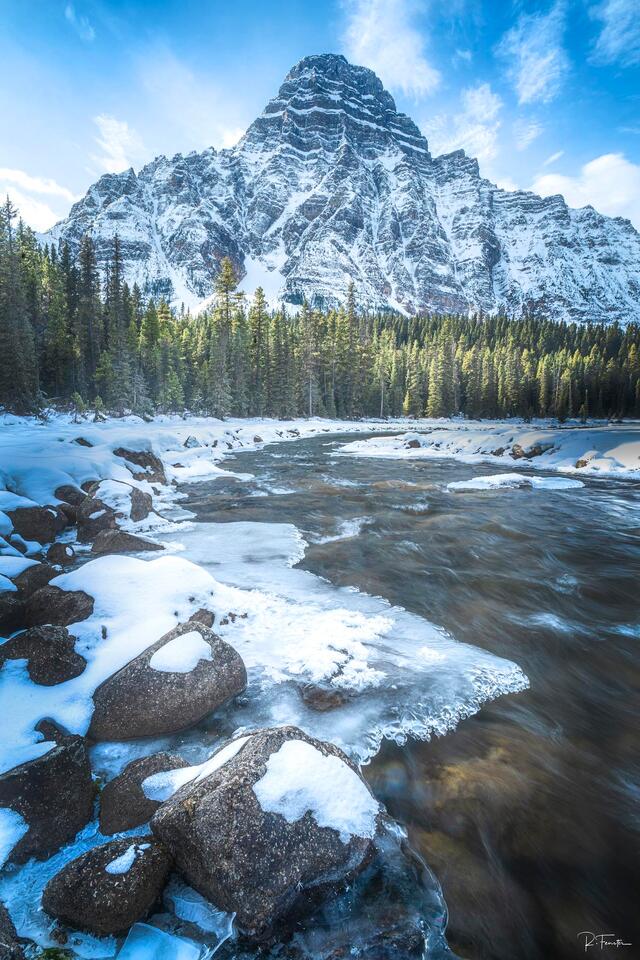
Curating photography from the Canadian Rockies is an immersive and personal process. Each image featured in this gallery is the result of countless journeys through the region’s most captivating locations—be it among stately mountain ranges, wildflower-carpeted meadows, or beneath towering pines near the spray of a distant waterfall. The selection emphasizes both monumental vistas and subtler, intimate moments in nature, from the radiant reflection on an alpine lake to the soft glow of sunrise against snowy peaks.
To provide the best viewer experience, each thumbnail here is clickable, opening into a full-page view that allows the grandeur and intricate details of each landscape to come alive. These images are handpicked to capture the diversity and magic of the Rockies, offering a visual story that celebrates both their vast panoramas and hidden gems.
How can fine art mountain photography prints enhance the decor of a space?
Fine art mountain photography prints do more than just fill a wall—they infuse any room with the tranquility, drama, and wonder of the wild outdoors. Bringing the grandeur of the Rockies indoors, these prints create a focal point that inspires awe and invites conversation.
Whether you’re looking to add a calming alpine vista to a modern living room or seeking a dynamic burst of color for an office, these images capture the spirit of nature in a way that can refresh and elevate your entire decor. The interplay of light, shadow, and natural hues complements everything from minimalist Scandinavian spaces to rustic mountain cabins, making each photo a versatile choice for your home or workspace.
What is the difference between the Rocky Mountains and the Canadian Rockies?
The Rocky Mountains stretch over 3,000 miles from New Mexico to British Columbia, covering diverse landscapes across the U.S. and Canada. The Canadian Rockies, located in Alberta and British Columbia, are celebrated for their dramatic sedimentary peaks, turquoise glacial lakes such as Lake Louise, and famous national parks like Banff and Jasper. Unlike the granite-rich U.S. Rockies, the Canadian Rockies offer distinctive rugged beauty, perfect for photography, outdoor adventures, and capturing stunning national park photos.
What is the most scenic part of the Canadian Rockies?
The most scenic parts of the Canadian Rockies are within the national parks of Banff, Jasper, and Yoho, where breathtaking mountain ranges, turquoise lakes, and lush alpine meadows abound. Highlights include Lake Louise, Moraine Lake, and the spectacular Icefields Parkway, a must-drive route filled with glaciers, waterfalls, and wildlife. These areas are ideal for creating unforgettable pictures of mountains and enjoying the pristine wilderness.
Do the United States and Canada share the Rocky Mountains?
Yes, the Rocky Mountains span both the United States and Canada, forming a massive range from northern New Mexico to British Columbia. The U.S. Rockies include iconic areas like Yellowstone, Rocky Mountain National Park, and the Grand Tetons, while the Canadian Rockies are renowned for their unique sedimentary peaks, turquoise lakes, and stunning national parks. Both regions provide endless inspiration for photographers and outdoor enthusiasts seeking mountain pictures and dramatic landscapes.
Which is better: Banff or Lake Louise?
Both Banff and Lake Louise are gems of the Canadian Rockies, each offering distinct experiences. Banff features vibrant town life, hiking trails, and soothing hot springs, while Lake Louise is famous for its tranquil turquoise waters, glacier views, and the iconic Fairmont Chateau. Whether you’re seeking bustling energy or serene beauty, both are must-see destinations, perfect for capturing the best pictures of mountains and creating unforgettable memories.
What is the best way to see the Canadian Rockies?
The best way to see the breathtaking beauty of the Canadian Rockies is by exploring the region on a road trip along the world-famous Icefields Parkway, which connects Banff and Jasper National Parks. This scenic drive offers unparalleled views of towering peaks, glacial lakes like Lake Louise and Moraine Lake, and iconic stops like Athabasca Glacier. For a more immersive experience, consider guided hikes, helicopter tours, or staying in cozy mountain lodges to fully appreciate the natural wonders of the Rockies. Don’t forget your camera to capture stunning landscapes!
What is the nearest city to the Canadian Rockies?
The nearest major city to the Canadian Rockies is Calgary, Alberta, located about 90 minutes east of Banff National Park. Calgary serves as the perfect gateway to the Rockies, with a well-connected international airport and scenic drives leading directly into the mountains. From Calgary, visitors can easily access Banff, Jasper, and Yoho National Parks to start their adventure in this UNESCO World Heritage Site.
How long does it take to drive through the Canadian Rockies?
Driving through the Canadian Rockies depends on your route and stops, but a typical journey along the Icefields Parkway between Banff and Jasper takes about 3.5 to 4 hours without breaks. However, to truly appreciate the majestic mountain views, glacial waterfalls, and turquoise lakes, it’s recommended to take a full day or more, allowing time for photography, hikes, and sightseeing. Many travelers spend a week exploring the Rockies to fully enjoy their natural beauty.
Is there a train through the Canadian Rockies?
Yes, there is a train through the Canadian Rockies! The Rocky Mountaineer is a luxurious train service that offers an unforgettable way to experience the dramatic landscapes of the Rockies. With routes like First Passage to the West and Journey through the Clouds, passengers can enjoy panoramic views of snow-capped peaks, rushing rivers, and wildlife from the comfort of glass-domed coaches. This train journey is perfect for those seeking a relaxed and scenic adventure through one of the world’s most stunning mountain ranges.
Which wildlife species are commonly photographed in Jasper and Banff National Parks?
Jasper and Banff National Parks are a haven for wildlife photographers. It's not uncommon to spot bighorn sheep perched along rocky slopes, elk grazing in meadows, or majestic grizzly and black bears wandering near forest edges. Keep your camera ready for glimpses of mountain goats, moose, and even curious marmots—all set against a stunning mountain backdrop. These parks offer unforgettable chances to capture iconic Canadian wildlife in their natural habitat.
Are there good recreational activities such as canoeing in Canadian Rockies locations?
If you're wondering whether the Canadian Rockies offer opportunities for photography beyond just towering peaks and glacier-fed lakes, the answer is a resounding yes. This collection features images that capture the spirit of adventure, including scenes of paddlers gliding across serene waters in classic red canoes, especially along the tranquil shores of iconic spots like Pyramid Lake in Jasper National Park.
These moments blend the region’s breathtaking landscapes with the thrill of outdoor recreation, showcasing why the Rockies are beloved not just for their scenery, but also for the experiences they offer. Whether it's hiking, canoeing, or simply soaking in the mountain air, these photos celebrate the many ways people engage with this spectacular wilderness.