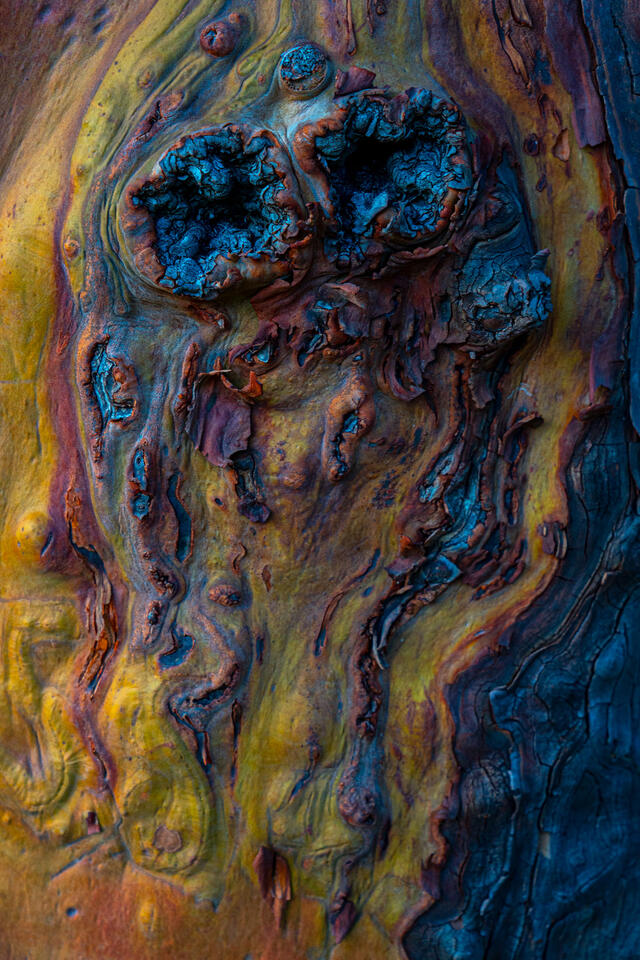
What is abstract photography?
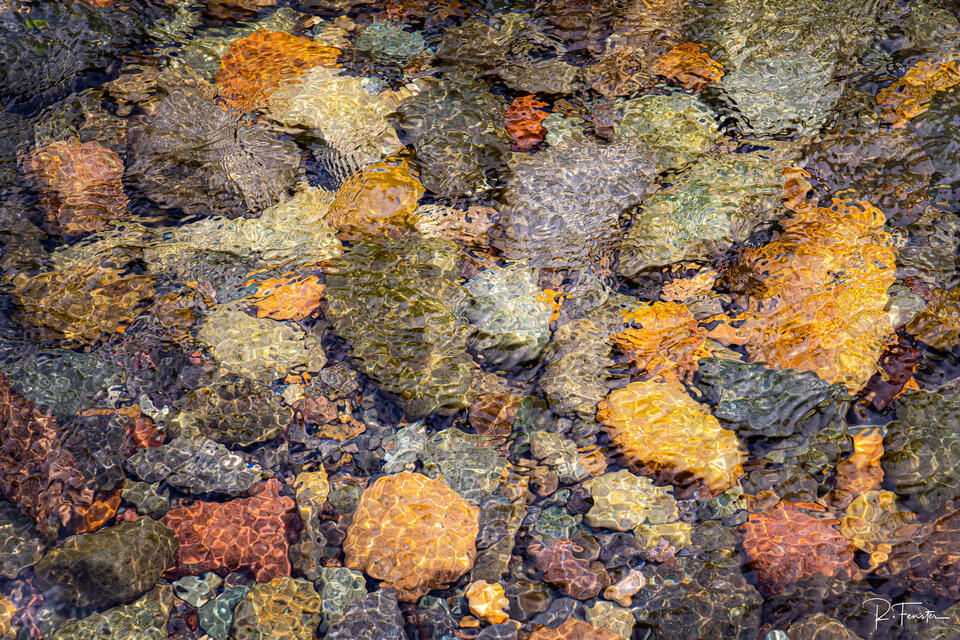
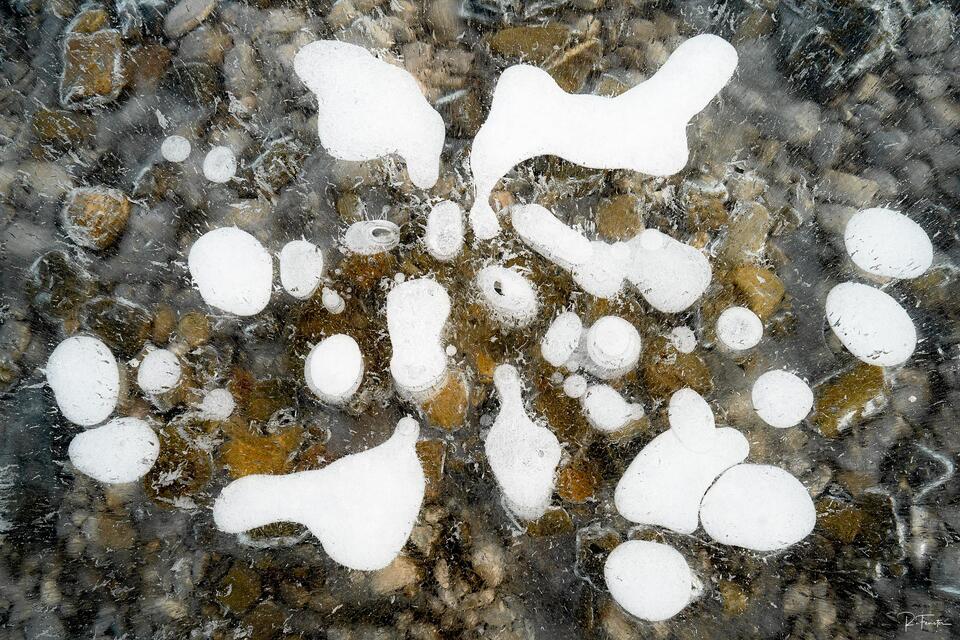
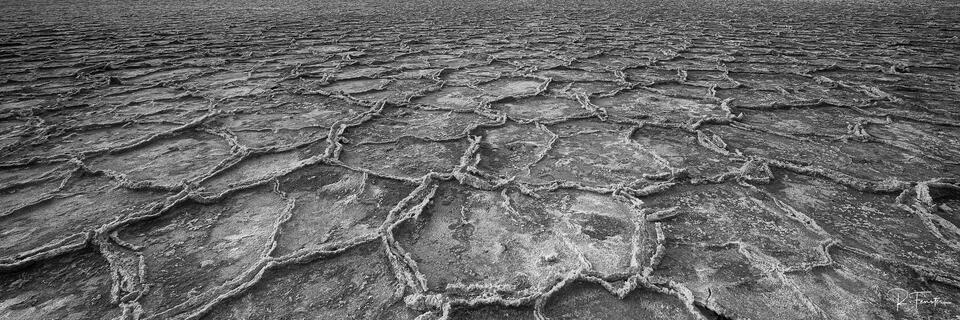
Abstract photography is all about looking at the world differently. Instead of focusing on clear subjects like people or places, it plays with elements like shape, color, texture, and light. It might be a close-up of cracked paint, the curve of a shadow, or the shimmer of water — anything that takes on a new meaning when you remove the context. It’s less about what you're seeing, and more about how it makes you feel.
What makes abstract photography so engaging is the way it invites you to create your own story. With no obvious landscapes or familiar objects to anchor the image, your imagination takes the lead. Maybe you see ripples in a pond, the rough surface of a stone, or the endless green of a forest viewed from above. The lack of a set narrative makes each viewing a fresh experience, where associations and meanings shift depending on your mood, the day, or even the light in the room.
Because you bring so much of yourself to interpreting abstract images, these works often end up being both a visual and intellectual focal point wherever they hang. There’s never just one way to see them — your friends, guests, or family might each spot something different, and your own perspective might change over time. It’s a little like having a living artwork: a piece that quietly evolves, always open to new interpretations and possibilities.
The Transformative Power of Large Format Abstract Nature Prints
Displaying a large format abstract nature print can completely redefine a room — turning a simple wall into an artistic centerpiece. Thanks to their impressive scale, these prints magnify the subtle textures, patterns, and colors found in nature, creating artwork that’s as immersive as it is visually compelling. A detail that might have gone unnoticed in its natural setting is suddenly front and center, rendered with enough size and clarity to capture attention from across the room.
Unlike more traditional art, abstract photography opens up endless possibilities for interpretation. Without an obvious subject to dictate a story, these pieces invite viewers to engage their own imaginations. A swirl of color may evoke the gentle movement of water, or perhaps the rugged feel of weathered stone—every guest might see something new. In this way, abstract art isn’t just decoration; it’s a catalyst for conversation, contemplation, and creativity.
The ever-changing nature of abstract works means they rarely feel static. The mood they evoke can shift with the light, the season, or even your own mindset. Living with a large format abstract landscape print often feels like experiencing a different piece each day—one that grows and evolves with its environment, offering both visual intrigue and a dynamic sense of place.
Choosing Between Large and Small Abstract Art Pieces
When deciding between hanging a single large piece or a group of smaller abstract artworks, it pays to think about the space itself and the effect you’re hoping to achieve. Scale plays a starring role here.
A bold, oversized print commands attention. It naturally becomes the focal point of the room, giving the wall a dramatic sense of presence and making the entire space feel clean and uncluttered—a favorite among fans of minimalism. A single expansive image can make a statement, spark conversation, or even define the mood of a room. Just keep in mind, larger works may require a bigger investment and plenty of open wall space to be enjoyed fully.
On the other hand, smaller pieces offer flexibility and variety. Arranging a series of compact works—sometimes called a gallery wall—encourages the eye to wander from one image to the next, creating visual interest without overwhelming the senses. This approach can be especially effective for adding layers of texture and color throughout a room or tying together different elements of your decor. It’s also practical: smaller artworks are typically more affordable and allow you to curate a rotating collection for added versatility.
Ultimately, choosing between large or small comes down to your taste and the atmosphere you want to create. Both approaches let you showcase your appreciation for abstraction and invite others to see the world through a fresh lens.
Coordinating Abstract Art with Your Space
When bringing abstract photography or art into your home or office, the surrounding environment plays a key role in amplifying its impact. The most compelling abstracts don’t just command attention—they interact harmoniously with furnishings, color schemes, and even the mood you want to create.
Start by considering the overall aesthetic of your space. Clean-lined, modern interiors—think Eames chairs or that iconic IKEA simplicity—naturally set the stage for bold, non-representational work. In contrast, ornate antiques or highly detailed traditional furniture may compete for attention, potentially muddying the effect. The idea is to give the artwork breathing room and allow it to become a focal point without overwhelming or being overwhelmed by neighboring pieces.
Color is another powerful tool. Harmonizing primary colors between your abstract work and nearby walls or décor can create a unified, calming flow. On the flip side, intentionally contrasting hues—like a vibrant red canvas against a cool gray wall—can make a piece pop and infuse energy into the room. Often, experimenting with two or three recurring tones gives a space dimension and cohesion.
Ultimately, arranging abstract art is a bit like balancing a good recipe—it’s as much about taste as about rules. Move things around, try different combinations, and notice how each arrangement affects the feel of the space. Aim for unity rather than uniformity; the right piece, thoughtfully placed, can tie a room together in unexpected and delightful ways.
Can abstract art be paired with contrasting interior styles?
Placing abstract art in a room with a different or even opposing design style can certainly create a bold, attention-grabbing effect. However, the most visually harmonious results tend to come when the colors, forms, or mood of the artwork echo elements already present in the space. Thoughtful coordination—whether through a shared palette, repeating textures, or complementary themes—helps the piece feel like a natural extension of its setting, rather than an isolated statement.
That said, sometimes a deliberate contrast is exactly the spark a space needs. The key is to strike a balance: let the artwork stand out without feeling disconnected from its surroundings.
What types of furniture and decor styles work best with abstract art?
Abstract art tends to shine in spaces with clean lines and contemporary or mid-century modern furniture—think Eames chairs, Bauhaus-inspired pieces, or the smooth, minimalist spirit of IKEA. These settings let the art take center stage, free from distractions or ornate details. Sleek finishes, simple shapes, and neutral palettes all set the stage for bold, colorful, or textural abstract works to truly pop.
If your decor leans toward traditional styles (like Victorian or Mission), placing abstract art may feel less harmonious—though mixing styles can create an intentional focal point if you’re after an eclectic look. For a cohesive atmosphere, aim to echo the modern sensibility in your pottery, sculpture, or decorative accessories as well. When art and surroundings share a sense of balance and simplicity, the entire room becomes a gallery, and the abstract piece can speak for itself.
The images in this gallery are available as limited edition fine art prints, produced with the highest quality materials to ensure lasting impact.
Why are large format prints effective for showcasing abstract photography?
Large format prints bring abstract photography to life in a way smaller images simply can’t match. When viewed at a grand scale, subtle details—like the texture in a ripple of water or the complexity of a fractured stone—become immersive focal points, allowing viewers to get lost in the patterns and forms. The impact of color, light, and composition is amplified, filling a space and commanding attention much like a statement piece in a modern art gallery.
Not only do these oversized prints highlight every nuance of the photograph, but they also transform an ordinary wall into a window for creative exploration. In the world of abstract art, seeing the work up close and at full size turns a fleeting impression into a memorable visual experience.
Guidelines for Displaying Abstract Photography
When it comes to showing off abstract photography, a little intention goes a long way. Consider these tips to make the art—and your space—come alive:
- Choose the Right Setting: Abstract images thrive in uncluttered environments where they have room to breathe. Think wide, neutral walls and spaces with good natural or gallery lighting.
- Let the Art Speak: Instead of crowding a wall, let each piece stand on its own or in a thoughtfully arranged series. Give enough space between frames so the eye can appreciate each work individually.
- Match the Mood: Play with matting and framing styles to complement the image. Sleek frames from brands like Nielsen Bainbridge or classic white mats can add a modern touch, while wood frames may warm up the overall effect.
- Lighting Matters: Adjustable gallery lighting—or even smart bulbs from Philips Hue—can help highlight color, texture, and detail, letting each photo reveal its subtleties.
- Invite Curiosity: Hang pieces at eye level or experiment with height to encourage viewers to pause and engage with the work from different angles. Sometimes a photo hung off-center or as part of a diptych can spark a new conversation.
Ultimately, the goal is to create a space where abstract photography isn't just seen but felt—a catalyst for imagination and fresh perspectives.
How does the size of an abstract photograph affect its impact and integration within a space?
When it comes to displaying abstract photography, size plays a significant role in shaping both the mood of a room and the way the artwork is experienced. A single, large-scale print acts as an instant centerpiece—it catches your attention the moment you walk in and sets the tone for the entire space. These commanding pieces often become conversation starters, defining the character of a room with a bold, modern flair. Thanks to their impressive presence, large works can make a space feel open and clean, especially when paired with minimalist décor.
On the other hand, a curated group of smaller prints brings a completely different energy. Arranged thoughtfully, a collection of smaller abstracts invites viewers to linger and explore, encouraging the eye to travel from one detail to the next. This approach adds depth and visual interest, allowing for versatility in how the images are arranged—whether in a tidy grid or a more playful salon-style hang. Smaller works also make it easier to mix and match, perfect for those who enjoy refreshing their walls or layering in new favorites over time. For dedicated collectors or anyone wanting to experiment, combining multiple pieces offers a dynamic and personalized way to fill a space.
Ultimately, whether you choose a dramatic statement piece or an eclectic series, the size of an abstract photograph shapes not just the look of a room, but the entire experience of the artistry within it.
The impact of scale: Single statements vs. curated collections
When considering how abstract photography will transform your space, size and arrangement play a starring role. Displaying a single large-scale print instantly commands attention—think of it as the visual anchor of the room. Such a piece acts almost like a window into another world, drawing the gaze and lending a sleek, minimalist sophistication. The surrounding area feels more open and uncluttered, allowing the artwork (and the room itself) to breathe. Of course, going big can require a bigger investment, but for those who crave a dramatic centerpiece, the effect can be striking and unforgettable.
In contrast, curating a group of smaller prints offers a different kind of aesthetic experience. With multiple pieces, the eye is encouraged to travel, making connections between textures, colors, and forms. This approach introduces variety and energy, without letting any single work overpower the space. Arranging several intimate-scale images can infuse a room with subtle complexity and richness, letting your walls tell an evolving story—perfect for those who love to mix, match, and layer visuals for a personalized gallery feel.
Whether you opt for a bold statement or a tapestry of details, the presentation of your abstract photography becomes part of the art itself, shaping the mood and movement in any interior.
How important is color coordination between abstract art and the surrounding environment?
Color plays a key role when displaying abstract art, but the “rules” here are more flexible than you might think. Coordinating the main colors of your artwork with the tones of your walls or furnishings can create a cohesive, unified look that feels intentional and harmonious.
However, contrasting colors shouldn’t be feared — placing a vivid piece with bold oranges or reds against a cool blue or neutral background can make the art stand out, acting as an instant focal point in the room. Sometimes, a dynamic pairing of two or three distinct colors brings more interest and personality to a space than sticking strictly to matching tones.
Ultimately, whether you’re striving for balance or a bit of visual excitement, consider the mood you want to evoke and don’t be afraid to experiment. Color in abstract art is an invitation to play — the results are often as creative as the images themselves.
What defines textural abstract photography and how do repeating patterns play a role?
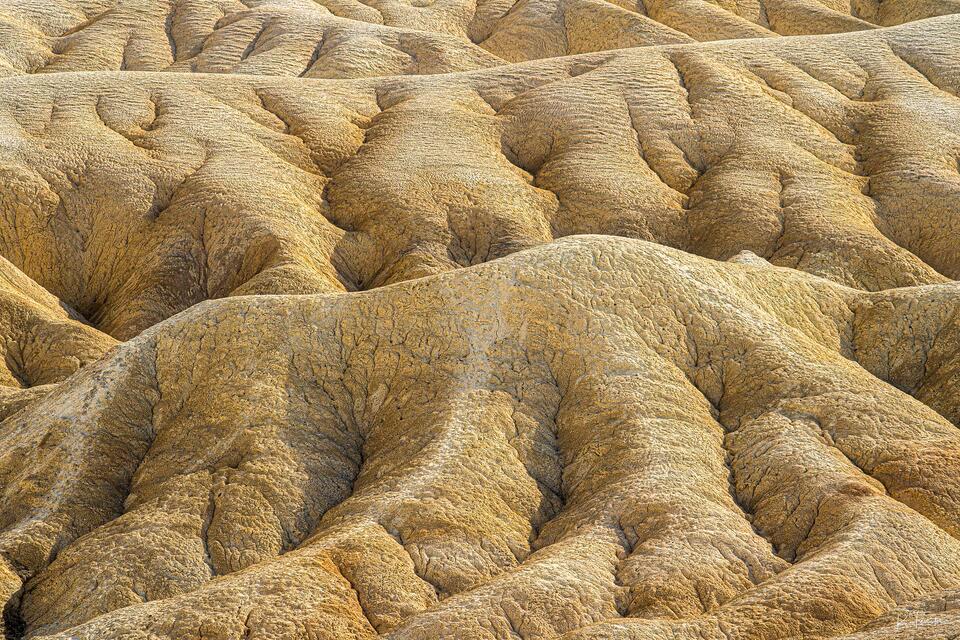
Textural abstract photography often centers on repeating elements—think ripples in sand, the grain of weathered wood, or the symmetry of leaves unfurling. These patterns fill the frame, turning everyday details into mesmerizing designs that feel both familiar and intriguingly unfamiliar. Our eyes naturally start searching for a break in the repetition or trying to name what that pattern reminds us of, whether it's a river delta seen from above or the woven threads of fabric.
The magic lies in how these repeating shapes and lines invite you to linger. Instead of revealing an obvious subject, they draw you in, encouraging a closer look and a fresh perspective on the textures that shape our world.
Partial vs. total abstraction: what's the difference?
Abstraction sits on a sliding scale. Sometimes, an image or artwork is only a little bit abstract — maybe it tweaks colors, exaggerates shapes, or leaves out some details. That’s partial abstraction. You might still recognize what you’re looking at, but it feels a little unfamiliar or stylized, like a landscape painted with strange colors or a photo of a tree bark that looks almost like a map.
On the other end is total abstraction, where any reference to real-world subjects disappears. You won’t find a hint of a person, place, or object. Think of geometric patterns, swirls of color, or bold black-and-white shapes — images that stand entirely on their own, leaving only the pure visual elements to spark your imagination.
Most abstract photography and art falls somewhere in between, inviting you to get lost in that mix of the familiar and the unknown.
How have computers and digital tools changed abstract photography?
The arrival of digital technology opened up a whole new world for abstract photography. With computers and image-editing software like Adobe Photoshop, photographers aren’t limited by what happens in the camera or darkroom anymore. Instead, they can experiment endlessly—blending colors, layering textures, or manipulating images until reality melts away.
This digital shift also blurred the old lines between photographers and digital artists. Today, some artists work entirely on the computer, creating abstract visuals without ever picking up a traditional camera. Names like Penelope Umbrico, Wolfgang Tillmans, and Adam Broomberg & Oliver Chanarin are known for pushing these boundaries, showing just how far the creative possibilities can stretch when you blend technology with imagination.
Alternative names for abstract photography
Abstract photography often goes by a few other names, depending on who you ask. You might hear it referred to as non-objective photography, experimental photography, conceptual photography, or even concrete photography. Each term hints at the idea that these images focus less on recognizable subjects and more on creative interpretation, technique, or pure visual form.
How early 20th-century art movements shaped abstract photography
Abstract photography didn’t spring up in a vacuum—it has deep roots in the groundbreaking art movements of the early 20th century. At that time, artists in Paris, New York, and across Europe were shaking up traditional painting and sculpture. Impressionism and Post-Impressionism had already loosened the reins of realism, and soon movements like Cubism and Futurism took things even further.
Artists such as Picasso, Braque, and Kandinsky started breaking down forms into geometric shapes, exploring how color and structure could work together in new, sometimes bewildering ways. Annual exhibitions like the Salon d'Automne in Paris and later the Armory Show in New York introduced these radical ideas to a wide audience—often sparking outrage and excitement in equal measure.
All of this was happening just as photography was coming into its own as a creative medium. Photographers began borrowing from these modernist painters, experimenting with abstraction by focusing on pattern, rhythm, and light rather than recognizable subjects. The result? Photos that felt fresh, mysterious, and every bit as bold as their counterparts on canvas.
Why understand different types of abstract art?
Knowing a bit about the different styles of abstract art can really help when you're picking out a piece for your own space. Abstract art covers a huge range—from bold, energetic brushstrokes to subtle patterns and minimalist designs. By understanding these variations, you’re better equipped to find artwork that matches your personal taste or complements your environment. Whether you want something vibrant to make a statement or something more understated to add a hint of texture, recognizing the styles out there makes the search a lot more rewarding.
Examples of abstract photography
Abstract photography can take many forms. A few common examples include:
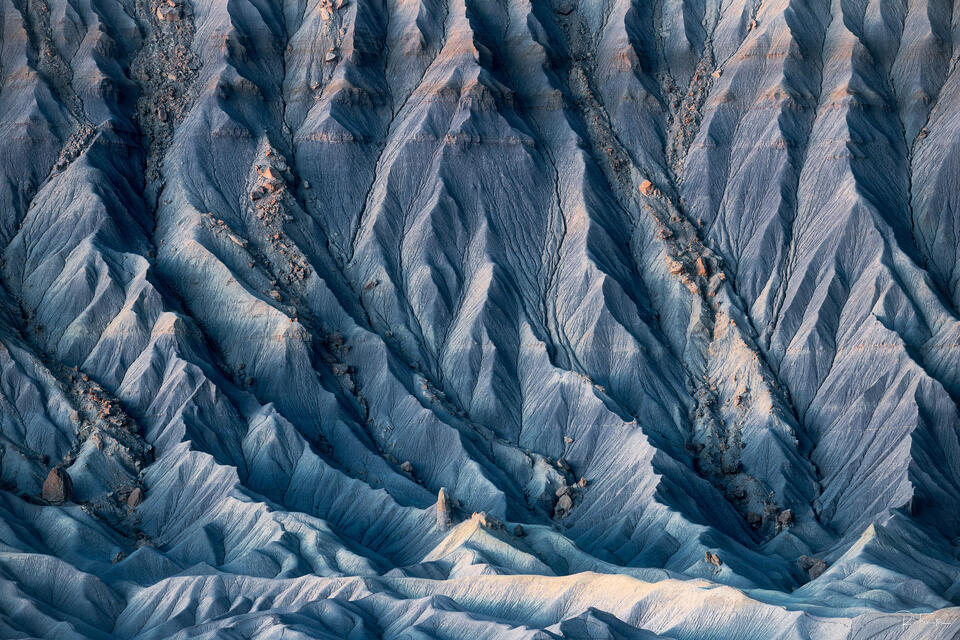
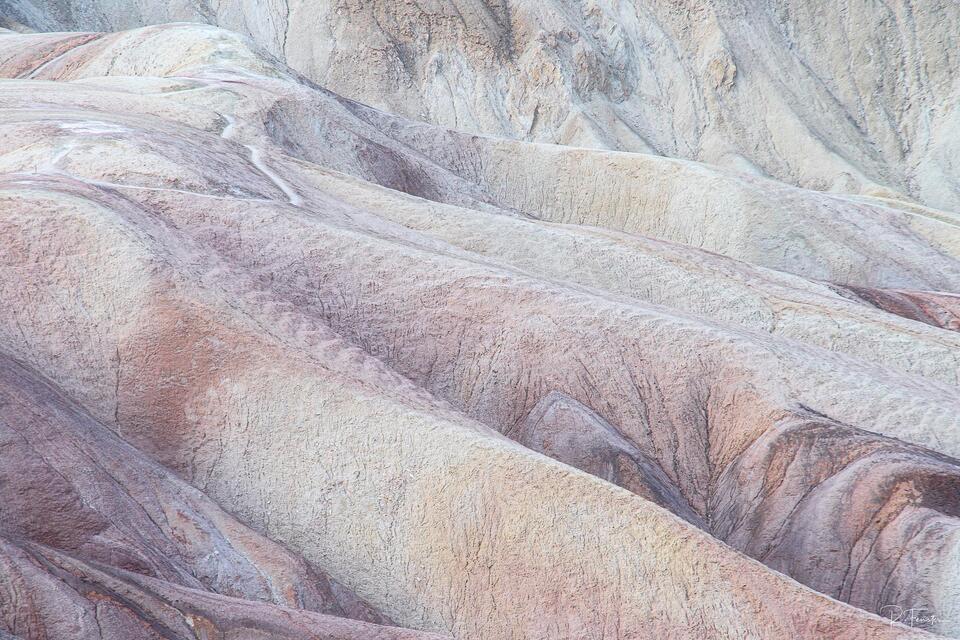
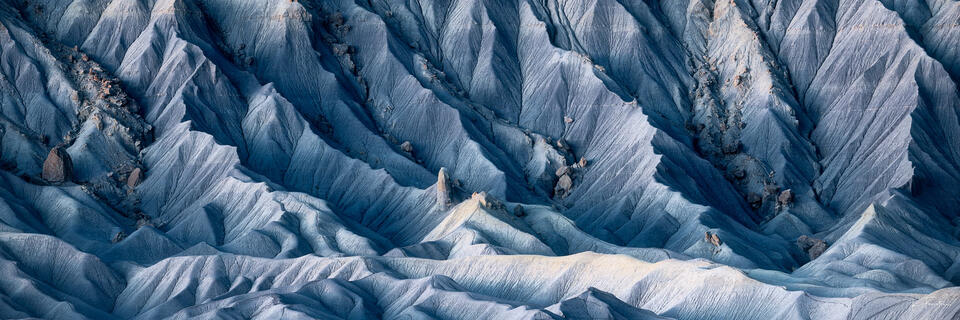
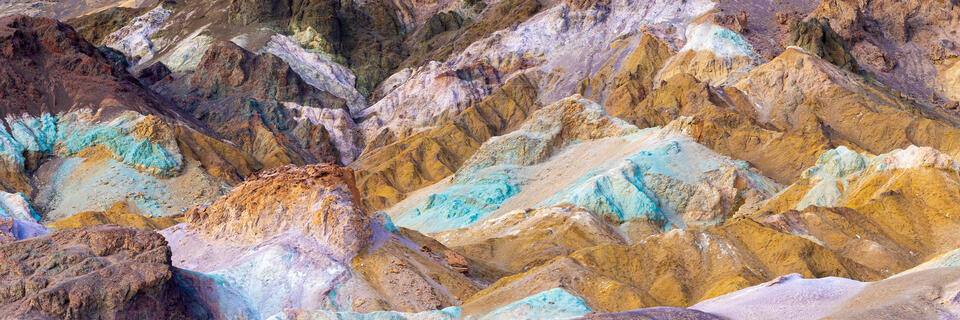
- Tight close-ups of natural textures like tree bark, sand, or stone
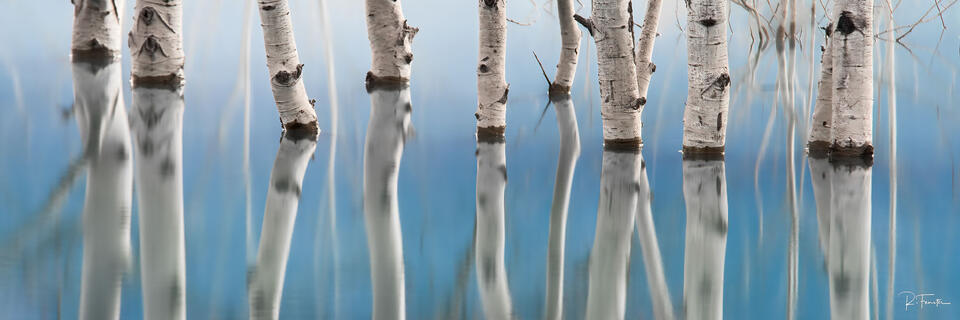
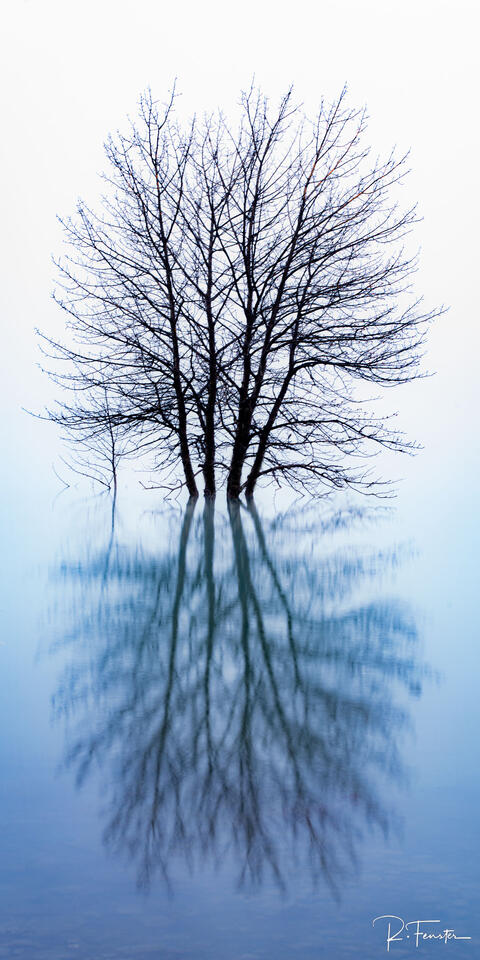
- Reflections in water or glass that distort what’s actually there
- Patterns in architecture or everyday objects, shot in a creative way
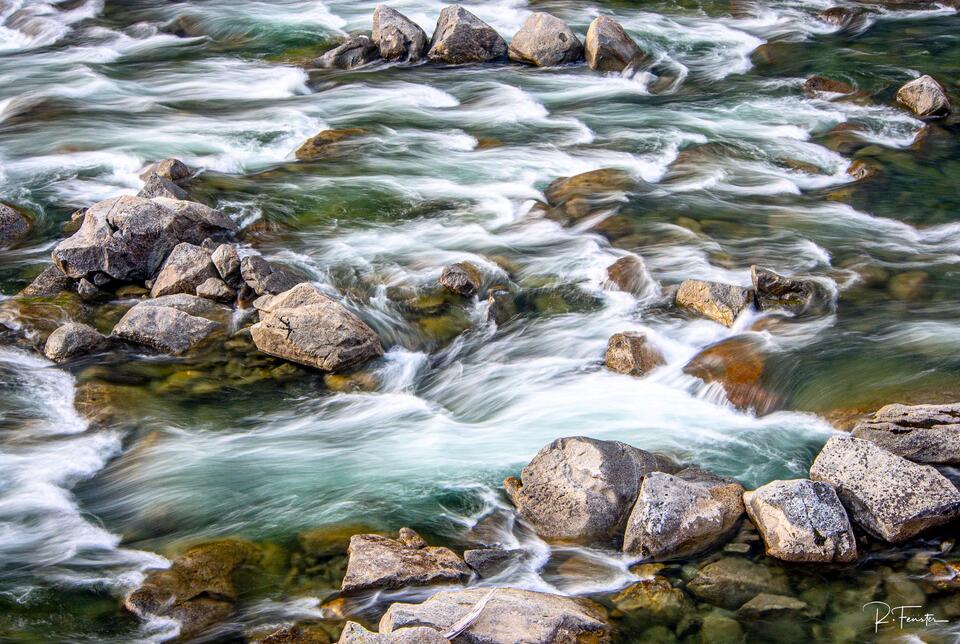
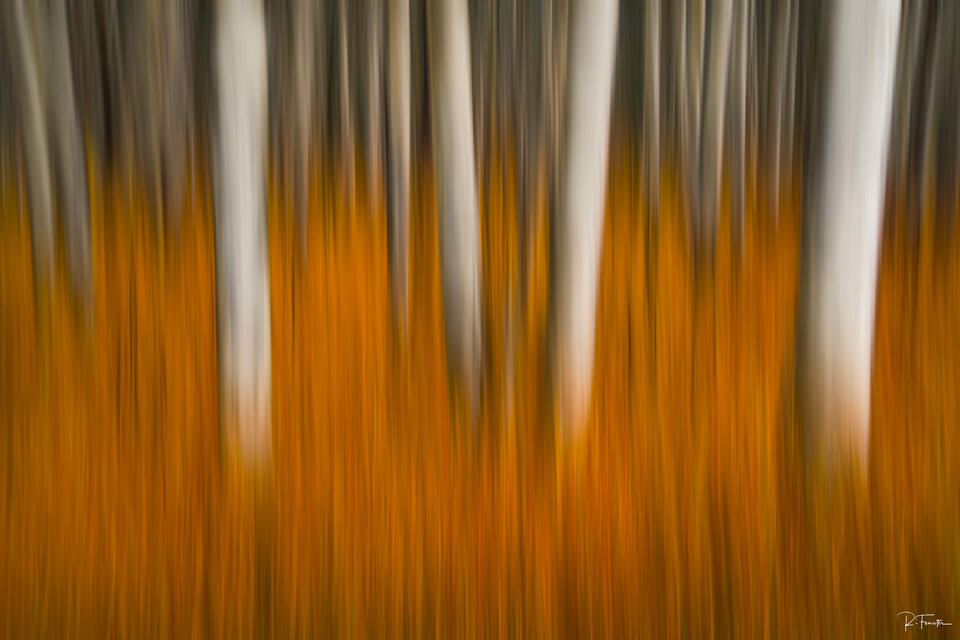
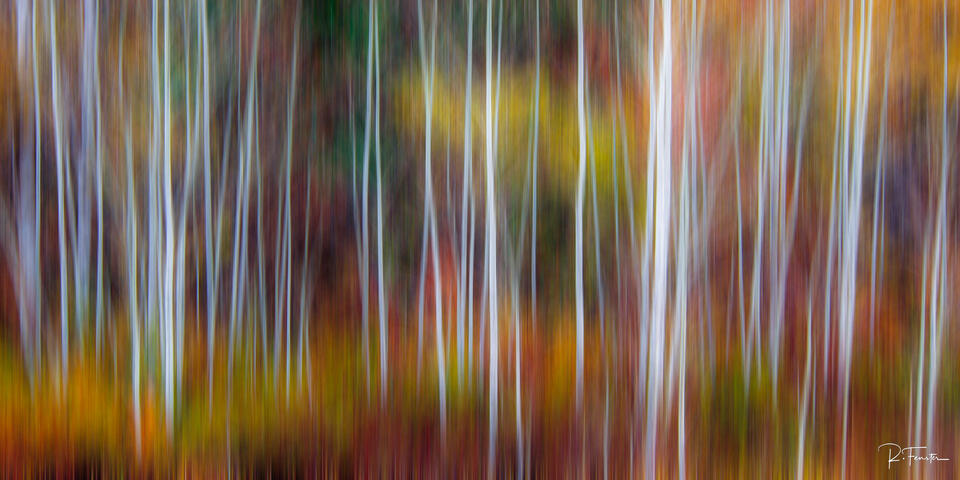
- Long exposure shots that blur motion into soft lines or streaks of color
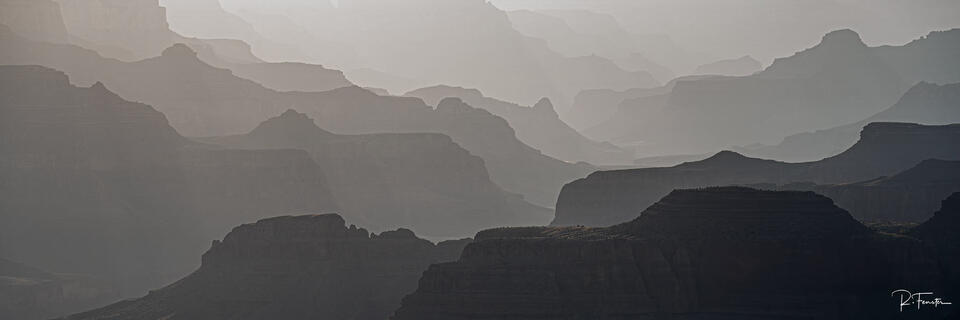
- Minimalist compositions that focus on just one shape or tone
What sets abstract photography apart is its ability to isolate a fragment of a scene, stripping away its usual context and inviting the viewer to see the familiar in an entirely new light. Sometimes, the goal is to create an image that feels almost unreal, using real objects but presenting them in a way that challenges our expectations. Color, light, shadow, texture, shape, and form all play a part—whether it’s the shimmer of sunlight on rippling water or the dramatic contrast of smooth glass against rough concrete.
Abstract images can be crafted in a variety of ways. Traditional cameras and darkrooms remain popular tools, but there's also room for experimentation—think digital editing, direct manipulation of film or photographic paper, or even creating images without a camera at all. The possibilities are nearly endless, and photographers are constantly finding new and unusual techniques to transform everyday reality into something ambiguous, mysterious, and open to interpretation.
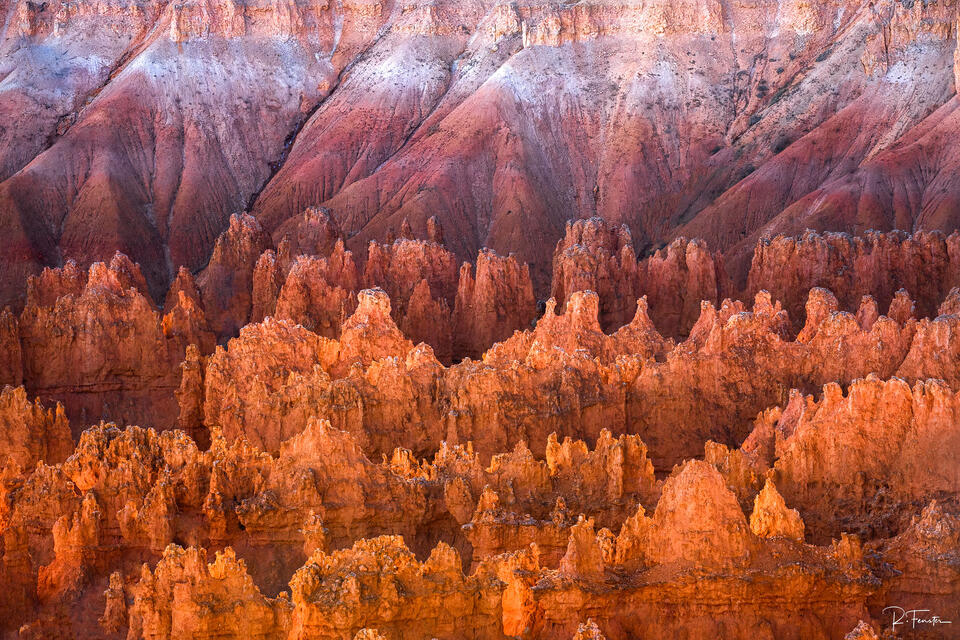
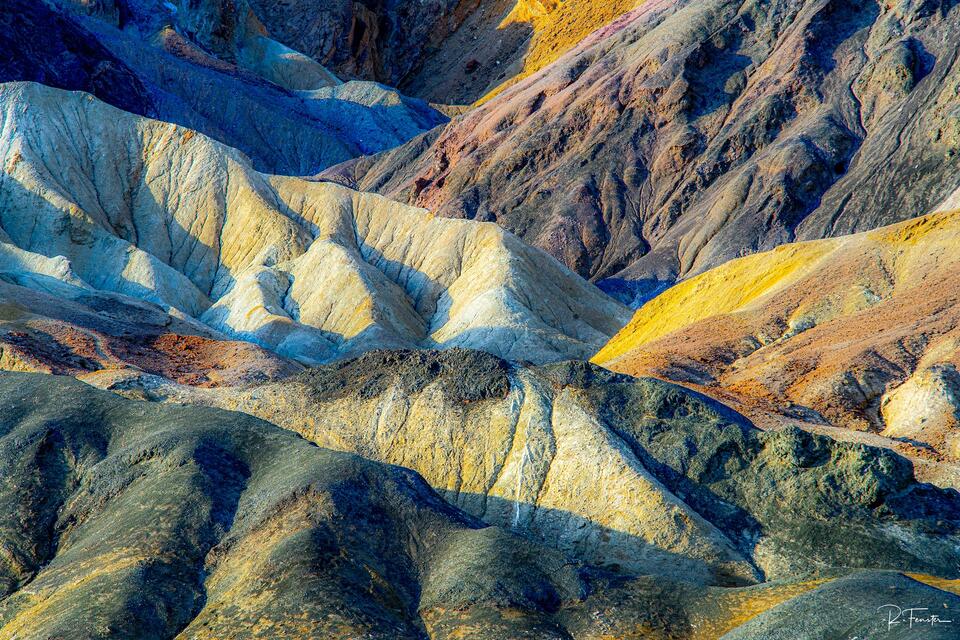
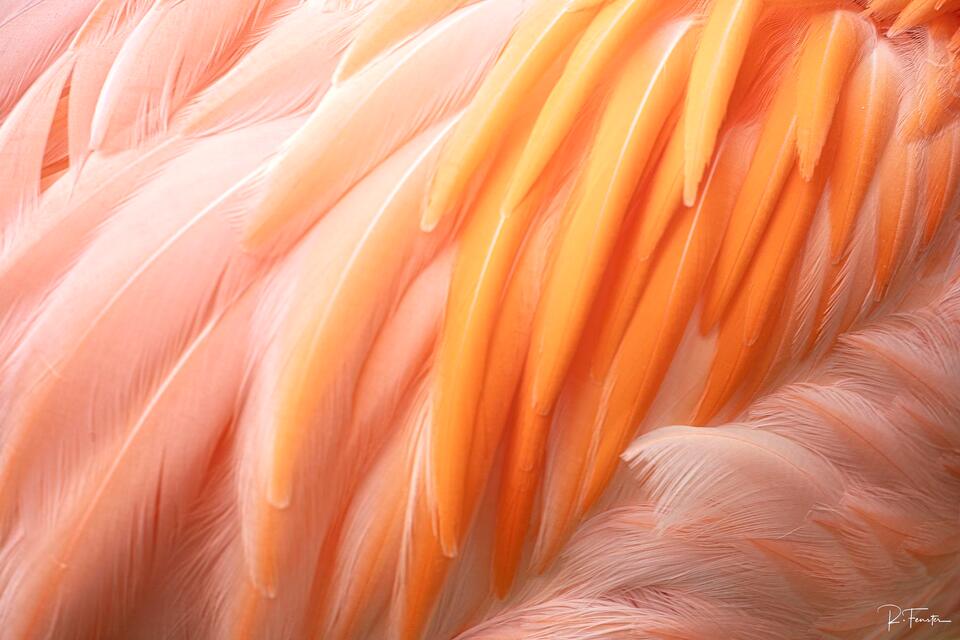
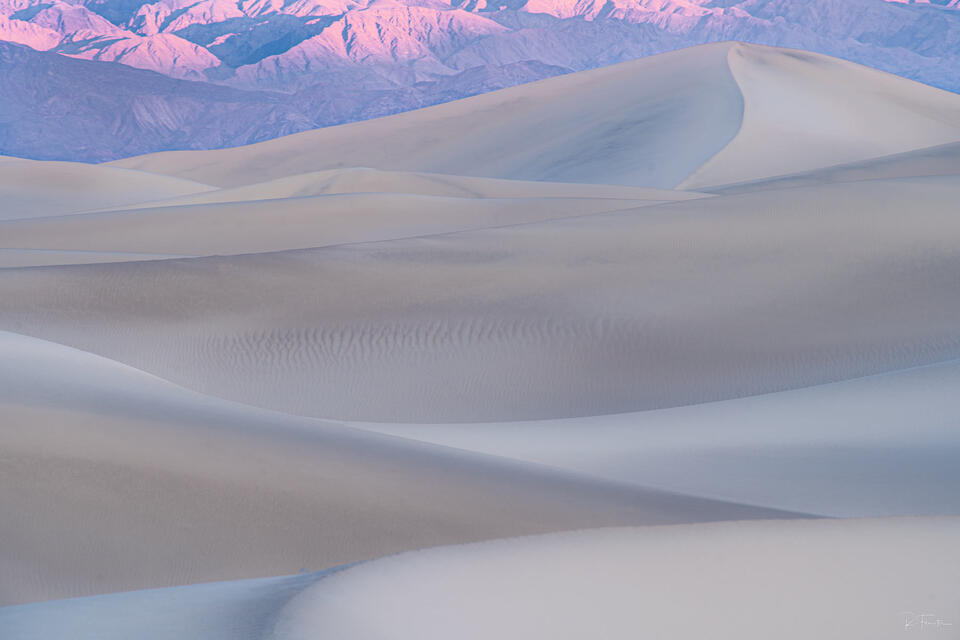
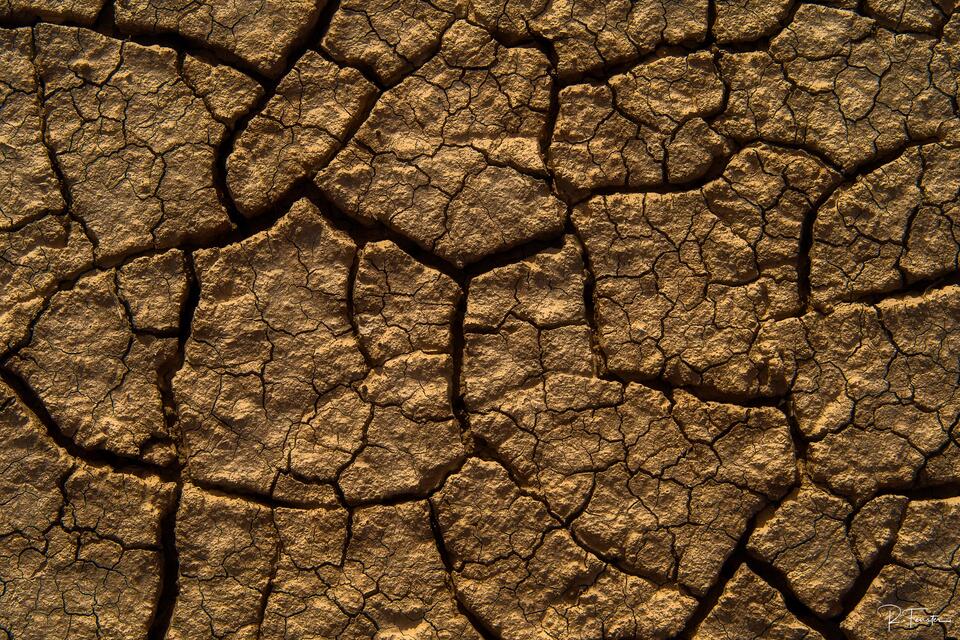
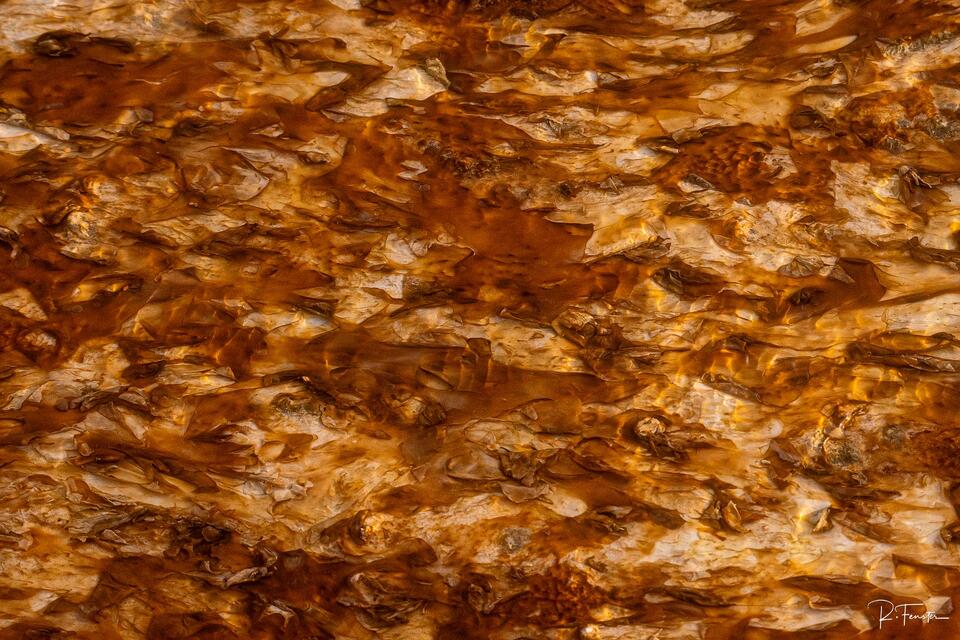
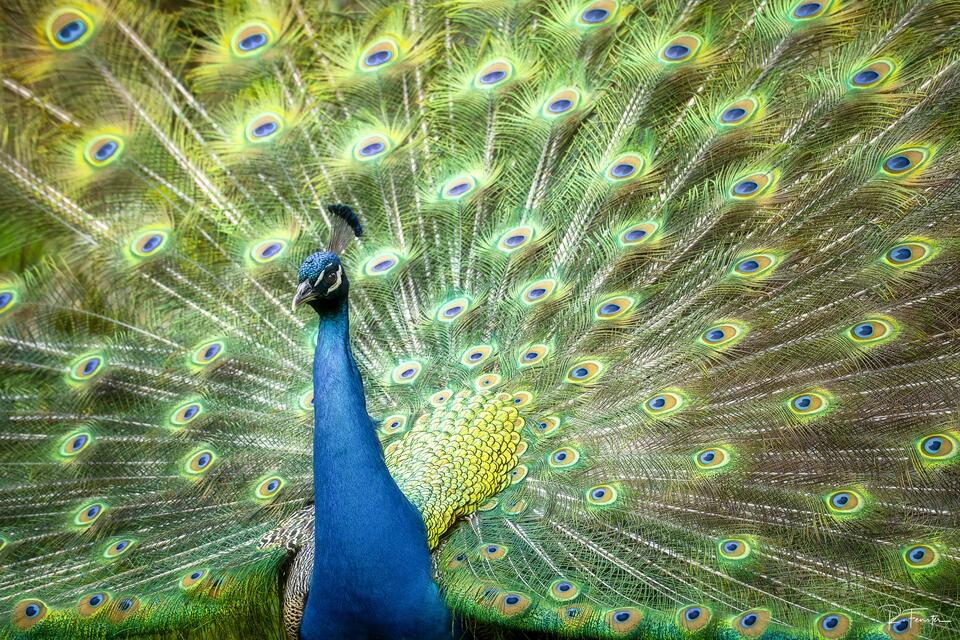
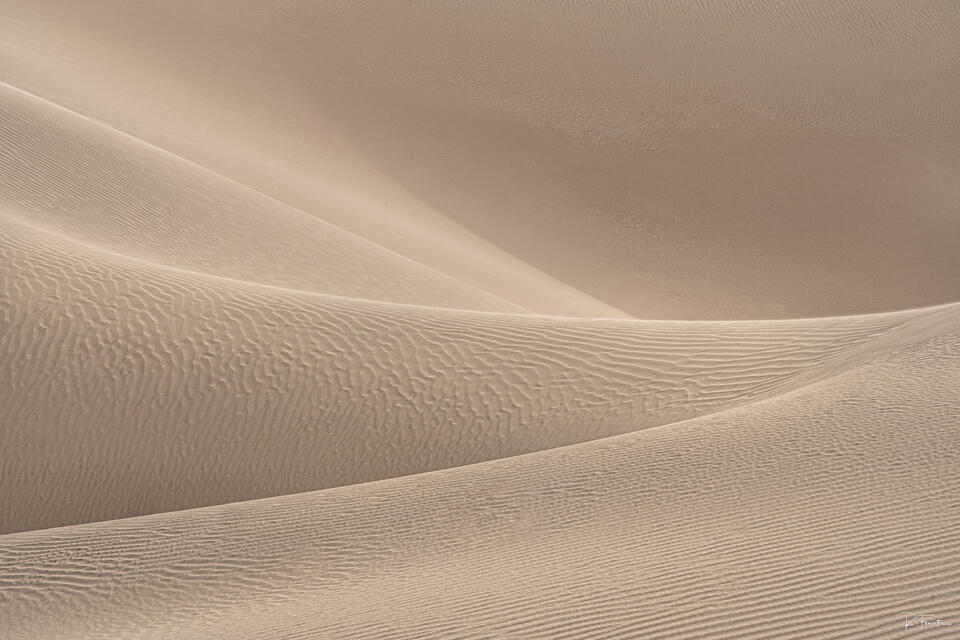
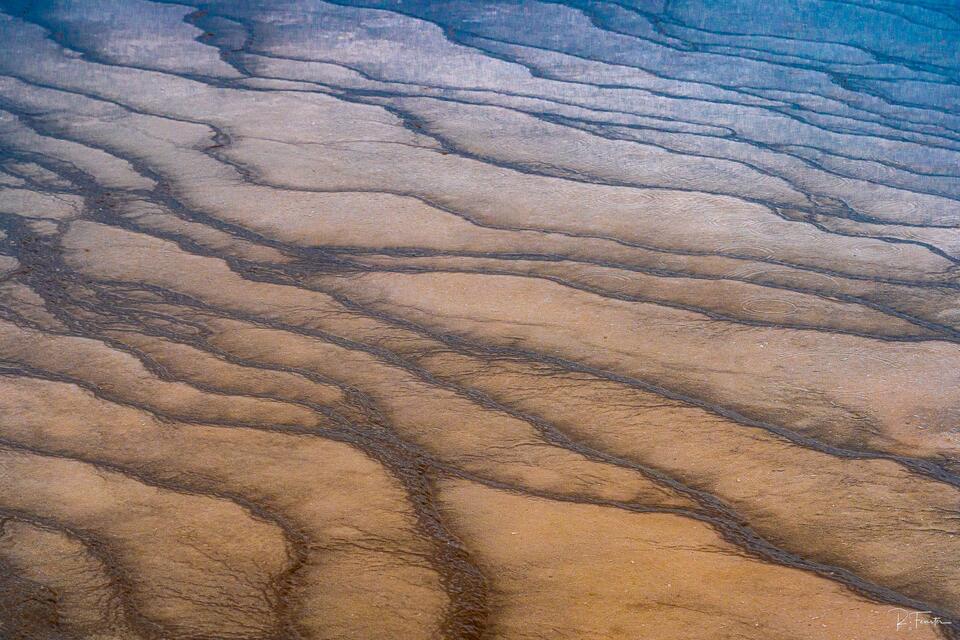
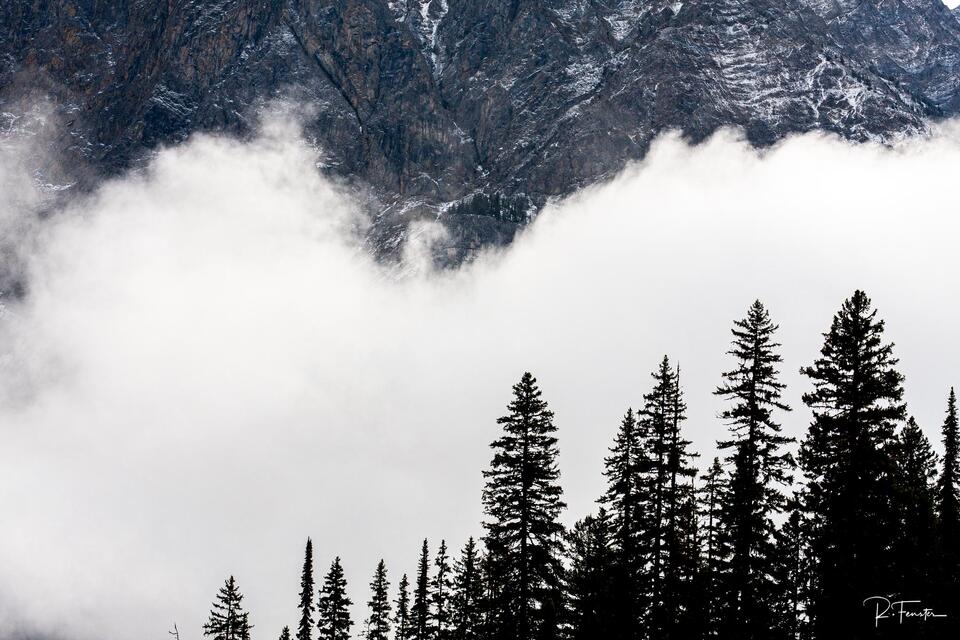
On this page, you’ll see examples of abstract images drawn from nature — places where landscape and detail overlap, and the familiar becomes something a little more mysterious.
Who is a famous abstract photographer?
One name that comes up often is Aaron Siskind. He photographed things like cracked walls and peeling paint, turning ordinary textures into dramatic black-and-white images that almost looked like modern art. Others, like Man Ray, experimented with surreal and abstract ideas using light and shadow. Even photographers like Minor White explored abstraction in a more meditative way, blending emotion and symbolism into their images.
This curiosity about abstraction didn’t happen in a vacuum. During the first decade of the 20th century, artists in Paris—painters and sculptors—were already shaking things up, trading Impressionism and Post-Impressionism for the bold experiments of Cubism and Futurism. The annual Salon d'Automne introduced the public to radical visions from Cézanne, Picasso, Marcel Duchamp, and others. Not long after, the Armory Show in New York sent shockwaves through the art world by displaying wild, abstract works from Kandinsky, Braque, and Robert Delaunay.
As technology advanced, so did the possibilities. With computers and photography software, the boundaries of abstract photography stretched far beyond what film and chemistry could offer. Suddenly, any lingering line between "pure artist" and "pure photographer" faded away as some photographers created entirely computer-generated images. Names like Gaston Bertin, Penelope Umbrico, Wolfgang Tillmans, and Adam Broomberg & Oliver Chanarin became synonymous with this new era, pushing abstraction into almost limitless dimensions.
In every generation, it seems, there are artists who see the world a little differently—and invite us to do the same.
Why do people like abstract photography
There’s something open-ended about abstract photography that people really connect with. It doesn’t tell you exactly what to see — instead, it gives you space to pause, wonder, and interpret the image in your own way. Some people love the calming simplicity, others are drawn to the mystery or visual rhythm. And for interiors, abstract prints work beautifully because they add interest and emotion without being too literal.
What makes abstract photography especially captivating is its ability to bridge the beauty of the real world with the expressive quality of painting. There aren’t hard and fast rules for composing these images, but there are a few helpful guidelines when it comes to presenting and displaying them. The right abstract work, thoughtfully placed, can do more than just fill a wall—it has the power to transform a space and spark the imagination.
How can the meaning of an abstract photograph change over time for its owner?
Abstract photographs aren’t fixed like a dictionary definition. Instead, they become a bit of a mirror, reflecting the moods, memories, and life seasons of whoever lives with them. Hang an abstract print in your living room, and you may notice that some days it feels bold and energetic; on others, it’s quietly soothing or mysterious. Friends or family might spot shapes, emotions, or stories in the image that you never even considered. Over months and years, the photo doesn’t actually change—but your perception of it does, making each viewing feel fresh, personal, and almost alive.